Animation Synchronization and Multiplier Triggers Shape Engagement in Modern Reel Titles
Written by Klara Lange · Jun 6, 2026
Animation Synchronization and Multiplier Triggers Shape Engagement in Modern Reel Titles
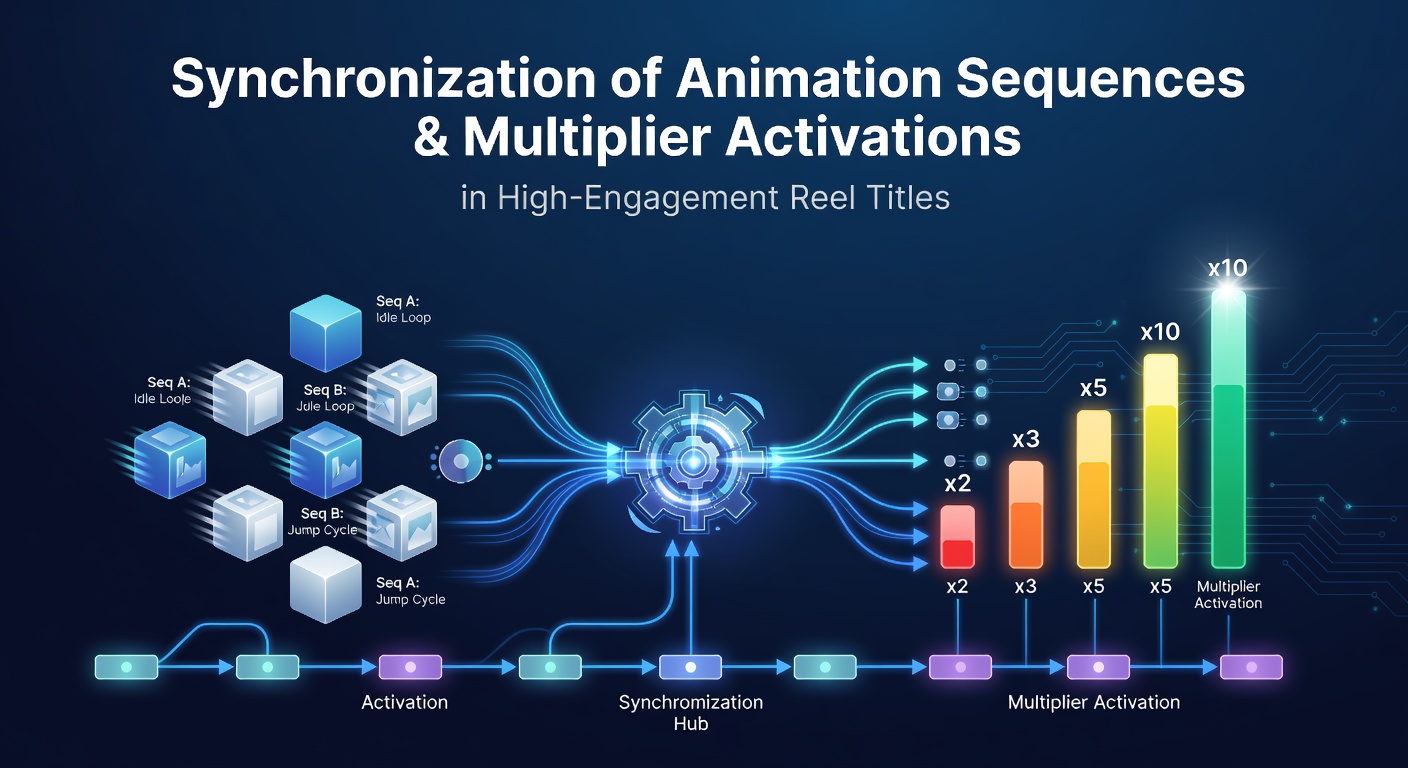
Developers coordinate animation sequences with multiplier activations to heighten visual feedback during reel spins and bonus rounds, and this coordination draws on precise timing algorithms that align graphical events with numerical boosts. Research from the International Gaming Standards Association indicates that such alignments increase session retention metrics by coordinating particle effects, symbol transformations, and value escalations within milliseconds of trigger conditions.
Core Mechanics Behind Synchronized Sequences
Reel engines process input from random number generators first, then layer animation timelines that respond to multiplier flags embedded in the paytable data. When a wild symbol lands in a designated position the system initiates a cascade of frame updates where base symbols morph while the multiplier value scales upward in real time, and observers note that this layering relies on event-driven scripting rather than pre-rendered loops. Game studios employ middleware tools that queue animation tracks alongside arithmetic operations so the visual payoff coincides exactly with the updated win calculation.
Technical Implementation Across Platforms
Engineers at leading studios map multiplier thresholds to specific animation states using finite state machines, which allows the reel matrix to transition smoothly from idle spins into heightened states without frame drops. Data from the Gaming Laboratories International certification reports shows that titles achieving sub-50-millisecond sync windows between animation start and multiplier display maintain higher frame consistency across mobile and desktop clients. Developers further optimize these windows by compressing texture atlases and pre-loading particle systems during the initial boot sequence.
Case Examples from Global Releases
One title released in early 2025 featured a cascading waterfall animation that intensified each time a multiplier chain extended beyond x5, and players encountered progressively larger particle bursts synchronized to each incremental jump. Another release from an Asian studio paired expanding wild animations with multiplier pop-ups that scaled in size proportionally to the value, creating a unified visual language across both base game and free-spin modes. These implementations emerged after internal testing cycles that measured eye-tracking data to confirm where attention lingered during multiplier events.
What's interesting is how different regulatory environments influence the display of these synchronized features, for instance the Nevada Gaming Control Board requires clear visual separation between base wins and multiplier-augmented totals to prevent misinterpretation. Australian research published through the Centre for Gambling Education and Research examined similar titles and found that synchronized multiplier cues correlated with extended play intervals when compared against unsynchronized control versions.
Impact on Retention Metrics and Engagement Patterns
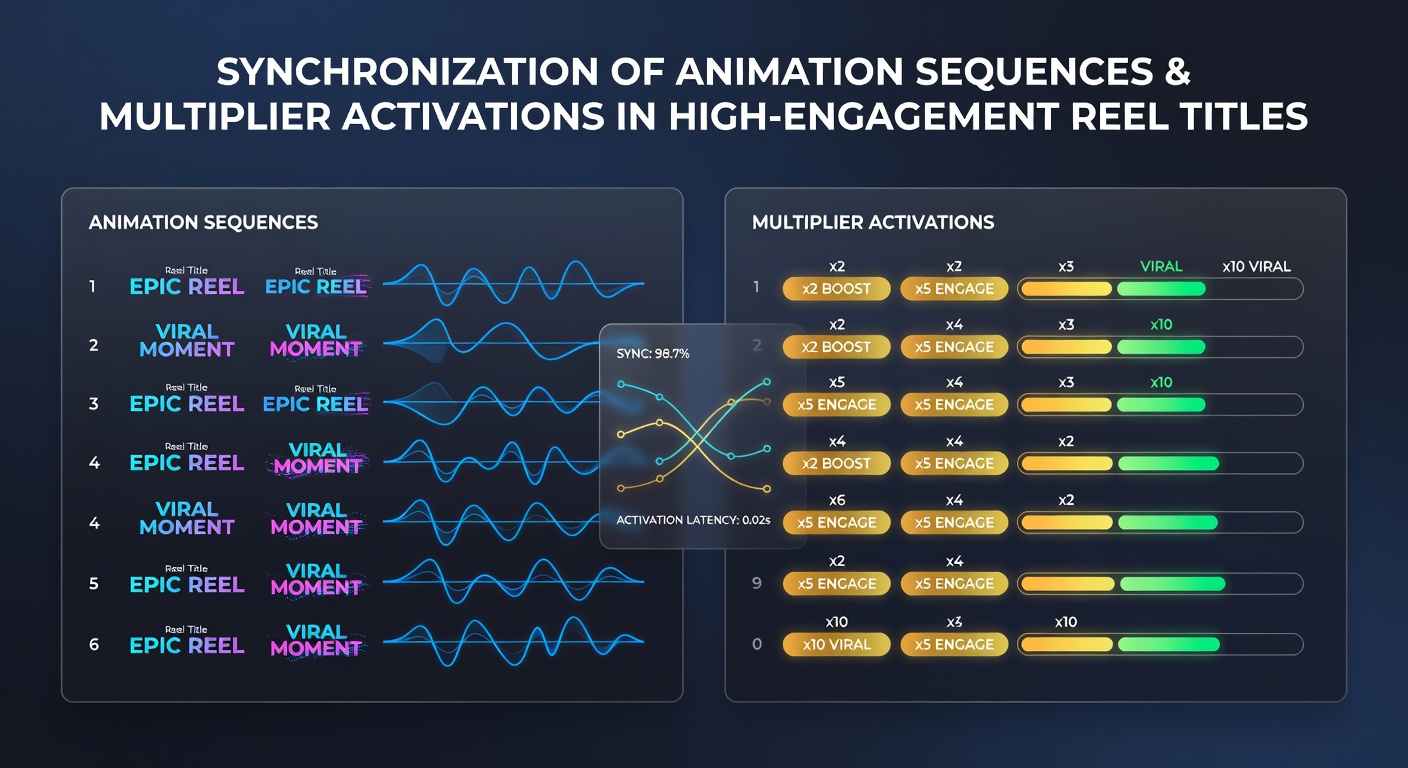
Analytics platforms tracking global title performance reveal that games featuring tightly coupled animation-multiplier systems sustain longer average session lengths, particularly when the visual escalation matches the mathematical progression exactly. Providers integrate telemetry hooks that log the precise frame at which a multiplier animation completes relative to the win meter update, allowing post-release patches to tighten any drift that occurs across device variants. Observers at industry conferences have highlighted how these refinements reduce perceived lag and maintain player immersion through consistent audiovisual reward loops.
Future Developments Expected by Mid-2026
Studio roadmaps point toward deeper integration of real-time lighting engines that react to multiplier values, with plans to deploy dynamic shadow casting on symbols as values climb above certain thresholds. June 2026 updates from hardware vendors are anticipated to introduce improved GPU scheduling that further reduces latency between animation triggers and multiplier rendering, and this hardware shift could enable even more layered effects without compromising frame rates on mid-tier mobile devices. Collaborative working groups within the European Gaming and Amusement Association continue to share best practices for maintaining synchronization standards across emerging 3D reel formats.
Conclusion
The synchronization of animation sequences with multiplier activations continues to evolve as a core design discipline within reel-based entertainment, supported by measurable performance data and cross-regional certification standards. As platforms advance and new display technologies emerge, the precision of these alignments will likely determine which titles maintain strong engagement profiles over extended periods.