Charting Digital Transaction Routes Behind Layered Incentives in Mobile Reel Systems
Written by Sam Hoffmann · Jul 20, 2026
Charting Digital Transaction Routes Behind Layered Incentives in Mobile Reel Systems
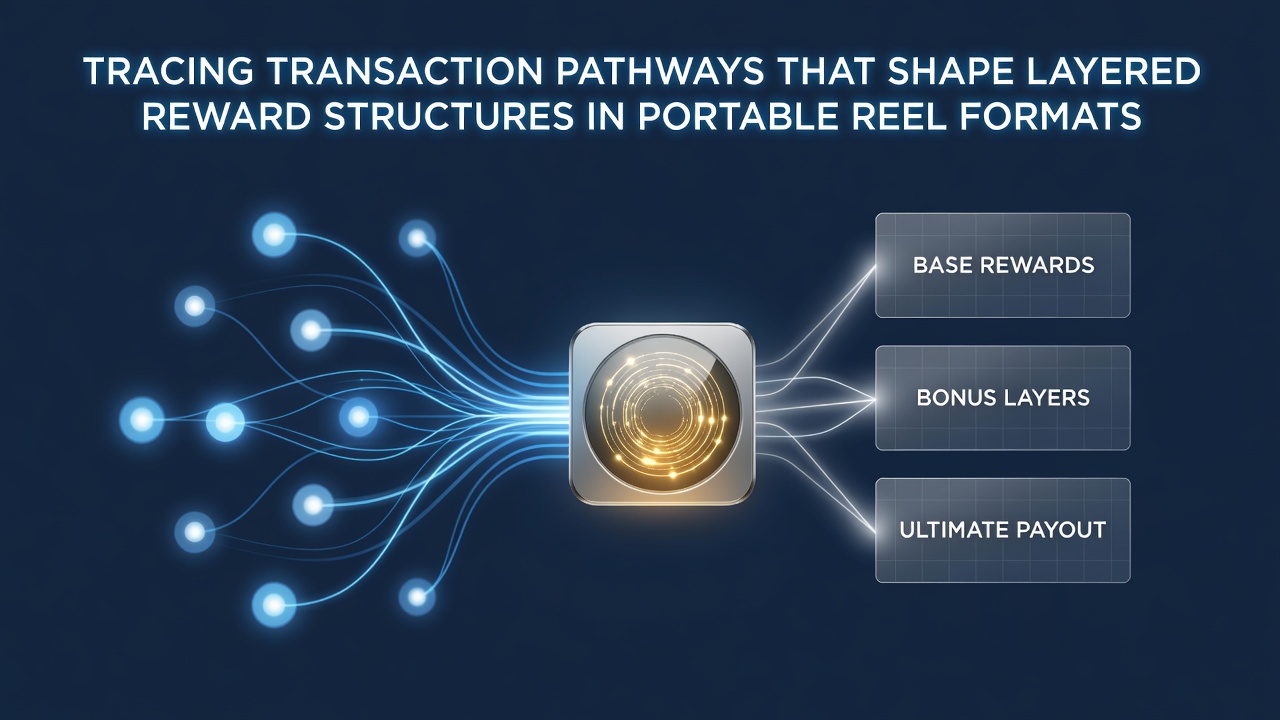
Digital payment routes in portable reel formats operate through sequenced data exchanges that link user accounts to game servers and reward engines, and these routes determine how incentives accumulate across multiple tiers. Observers note that each spin or session initiation triggers a sequence of authentication checks, fund verifications, and outcome calculations that feed directly into bonus structures such as multipliers, free spin counters, and progressive pools.
Core Mechanics of Transaction Pathways
Portable reel platforms rely on real-time ledgers maintained by payment processors and game providers, while data packets move between mobile devices and central servers using encrypted protocols that record every stake and payout. According to industry reports from the Nevada Gaming Control Board, these ledgers capture timestamped entries that allow operators to reconstruct how individual wagers contribute to layered reward triggers over time. Researchers at the University of Nevada, Reno have examined similar systems and found that latency in these pathways can alter the timing of reward distribution, especially when sessions cross multiple jurisdictions.
Transaction identifiers generated at the point of deposit travel alongside game-state variables, and this pairing enables the system to apply conditional rules for bonus activation. For instance, a minimum deposit threshold might unlock an initial reward layer, after which subsequent spins accumulate points toward a second tier that includes enhanced multipliers. Data from the Australian Communications and Media Authority shows that such conditional pathways account for measurable differences in player engagement metrics across regulated markets.
Layered Reward Structures and Data Integration
Reward layers in these formats typically stack through progressive conditions that reference cumulative transaction history rather than isolated events, and mobile applications maintain local caches that sync with backend databases to preserve continuity across sessions. When a user completes a deposit via a selected gateway, the system appends metadata tags that later influence which reward pools receive contributions from that stake. Studies published by the European Gaming Institute indicate that integration points between payment rails and game engines often determine the granularity of reward segmentation, allowing providers to offer region-specific bonus ladders.

Those who analyze log files from live deployments frequently observe that certain gateways introduce additional verification steps that delay reward credit, whereas others streamline the flow and enable near-instant tier advancement. This difference matters because many portable reel titles link free spin chains and jackpot eligibility to the speed and volume of qualifying transactions. Figures released by the Canadian Gaming Association reveal consistent patterns where optimized pathways correlate with higher completion rates for multi-layer incentive programs.
Regulatory Influences on Pathway Design
Regulatory frameworks in multiple regions require operators to maintain auditable trails that document every fund movement and its association with reward outcomes, and these mandates shape how platforms structure their transaction routing logic. In July 2026 several jurisdictions plan to enforce stricter data retention standards that will require expanded logging of cross-border transfers within mobile reel ecosystems. Compliance teams therefore map each possible route in advance so that reward calculations remain consistent even when payment processors change or network conditions fluctuate.
Payment gateway partnerships often include service-level agreements that specify maximum response times for transaction confirmation, and these agreements indirectly govern how quickly layered rewards can activate. One documented case involved a European operator that rerouted traffic through a secondary processor after primary pathway congestion began delaying bonus triggers by several seconds on average. The adjustment restored expected reward cadence without altering the underlying game mathematics.
Technical Implementation Examples
Developers embed transaction tracing hooks at multiple points within the reel engine so that each outcome evaluation can reference the originating payment record. Mobile applications transmit device identifiers and session tokens alongside stake amounts, creating a composite key that reward servers use to assign points to the correct user profile and tier. Industry analyses from the Japan Casino Regulatory Commission highlight how such composite keys reduce reconciliation errors when players switch between different portable devices during extended play sessions.
Batch processing occurs at regular intervals to aggregate micro-transactions into larger settlement files, yet individual reward triggers remain event-driven and execute immediately upon condition fulfillment. This hybrid approach balances computational load with user expectations for prompt feedback, and testing environments routinely simulate high-volume traffic to verify that layered structures do not experience overflow or misallocation under peak conditions.
Conclusion
Transaction pathways in portable reel formats function as the connective tissue between financial inputs and layered reward outputs, and their design directly influences how incentives distribute across sessions and users. Continued refinement of these routes, driven by both technical performance needs and regulatory requirements, supports the ongoing evolution of mobile reel systems while preserving traceability and consistency in reward delivery.