Charting Interplay Between Cluster Mechanics and Gateway Latencies in High-Volatility Progressive Designs
Written by Cameron Richter · Aug 22, 2026
Charting Interplay Between Cluster Mechanics and Gateway Latencies in High-Volatility Progressive Designs
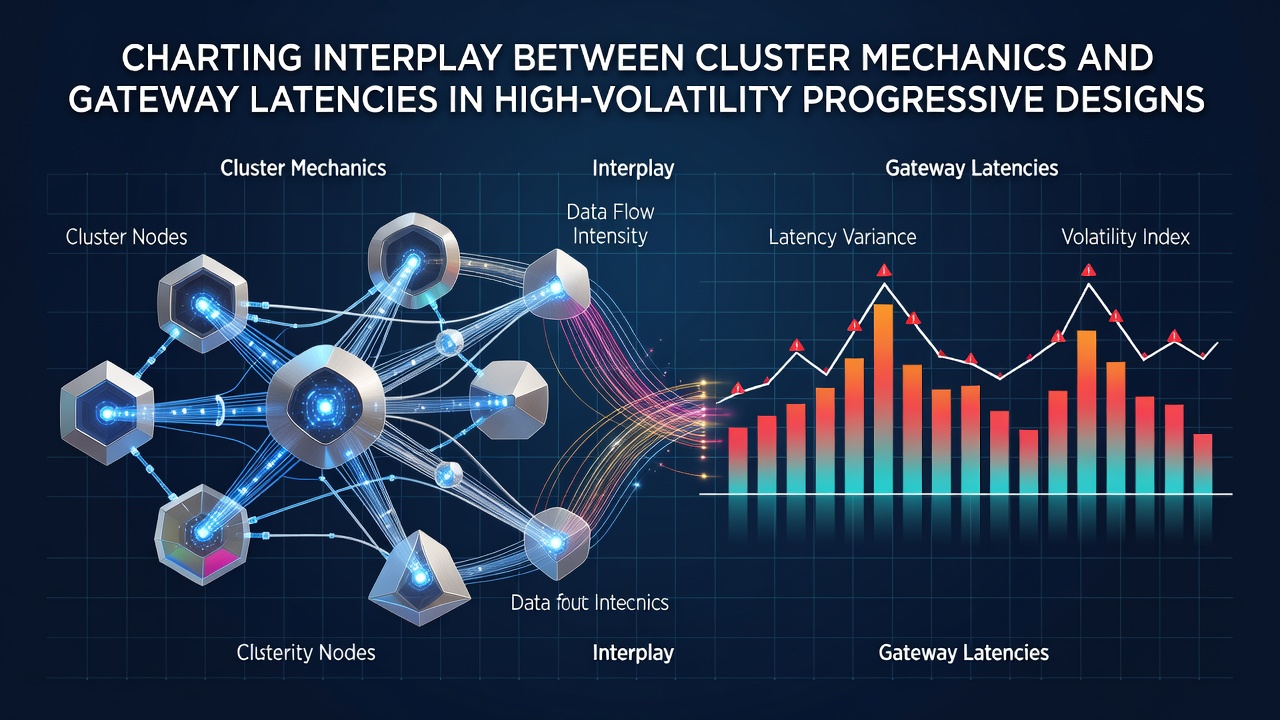
Cluster mechanics operate by grouping adjacent symbols on reels to form winning combinations instead of relying on traditional paylines, and this approach has gained traction in high-volatility progressive designs where jackpot triggers depend on precise symbol alignments. Researchers have noted that these systems require rapid data processing to evaluate clusters in real time, particularly when progressive meters update across networked games.
Cluster Formation and Volatility Patterns
High-volatility progressive slots often incorporate cluster pays to increase the potential for large payouts through cascading sequences, while the underlying mathematics demands consistent server performance to handle simultaneous calculations. Data from industry reports indicate that clusters spanning five or more symbols can activate bonus features or contribute to jackpot pools, yet any delay in symbol evaluation disrupts the chain reactions that define these games. Observers note that studios adjust reel configurations and symbol weights to maintain volatility levels, which in turn influences how frequently clusters appear during base play and feature rounds.
Gateway Latencies in Game Infrastructure
Gateway latencies refer to the time intervals between player actions and responses from backend systems, including payment processors and game servers that manage progressive contributions. Studies conducted on network performance show that latencies exceeding 200 milliseconds begin to affect the synchronization of cluster evaluations with jackpot updates, especially in mobile environments where connection variability adds further complexity. Those who have analyzed server logs find that payment gateways handling micro-transactions for bonus buys or stake adjustments interact directly with the same infrastructure responsible for cluster detection, creating shared points of potential delay.
Interplay Between Mechanics and Response Times
When cluster mechanics trigger cascading reels, the system must recalculate winning combinations while simultaneously updating progressive jackpot values across multiple jurisdictions, and gateway latencies can interrupt this loop if data packets experience queuing at authentication points. Evidence from performance testing reveals that high-volatility designs amplify the effects because rare cluster formations carry larger weight in jackpot allocation formulas. In August 2026 several operators began implementing edge computing nodes to reduce round-trip times for cluster validation requests, a move that aligns with broader efforts to stabilize gameplay in regions overseen by bodies such as the Alcohol and Gaming Commission of Ontario.
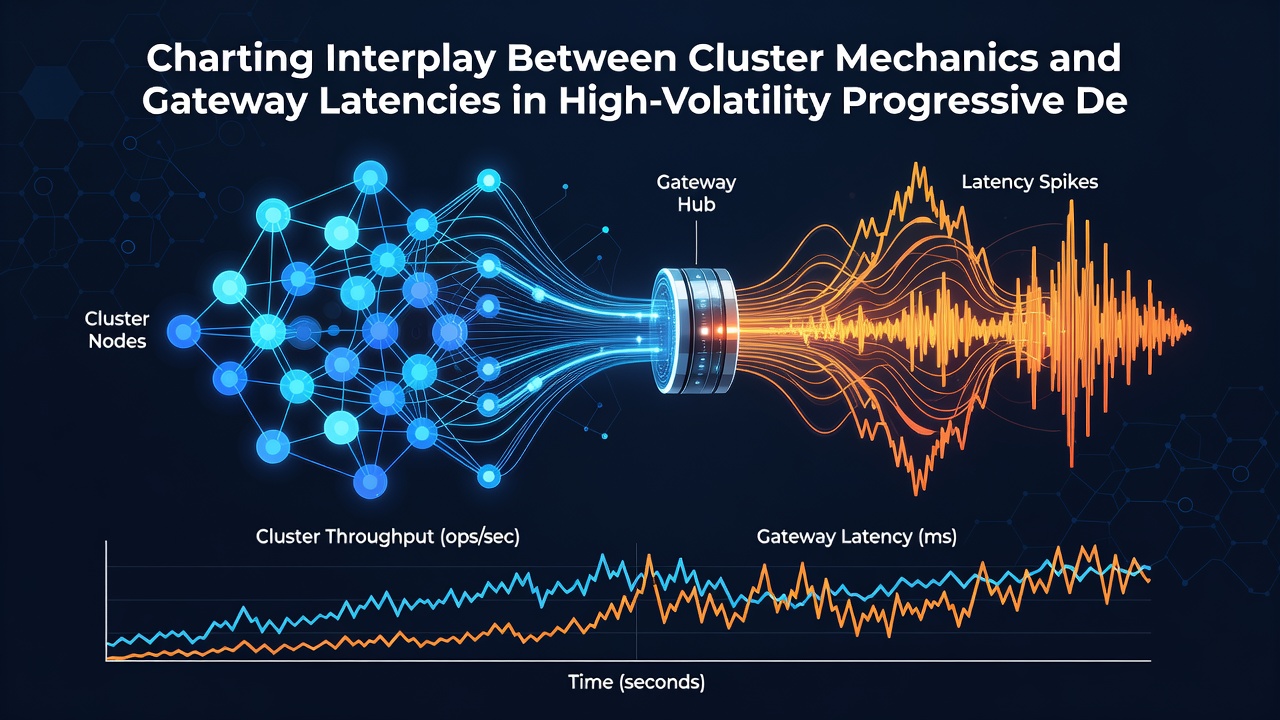
Developers address these challenges by optimizing code paths that prioritize cluster detection before gateway calls for financial reconciliation, yet the sequence still exposes dependencies when progressive contributions must post before the next spin resolves. A report issued by the Nevada Gaming Control Board highlights how operators monitor average gateway response under peak loads to ensure cluster-triggered features activate without perceptible lag.
Technical Adjustments and Network Strategies
Engineers deploy asynchronous processing techniques that allow cluster evaluation to proceed while gateway confirmations occur in parallel, and this separation reduces the impact of variable latencies on perceived game speed. Data compiled by academic researchers at the University of Nevada, Reno demonstrates that progressive slots using cluster mechanics experience fewer player drop-offs when gateway timeouts stay below 150 milliseconds during high-traffic periods. Providers also adjust symbol drop rates and multiplier values to compensate for any residual delays, maintaining the intended volatility curve even when network conditions fluctuate.
Regulatory and Operational Considerations
Regulatory frameworks in multiple jurisdictions require documented testing of latency tolerances for games that contribute to shared progressive pools, and these standards directly influence how cluster mechanics integrate with gateway infrastructure. Those responsible for compliance track metrics such as average cluster resolution time against gateway acknowledgment intervals, ensuring that jackpot eligibility remains fair across all connected terminals. Industry organizations including the European Gaming and Betting Association have published guidelines that encourage the use of redundant gateway routes to mitigate single-point failures during cluster-heavy bonus sequences.
Conclusion
The relationship between cluster mechanics and gateway latencies in high-volatility progressive designs centers on the need for synchronized data flows that preserve both payout accuracy and player experience. Performance measurements continue to guide refinements in server architecture, while regulatory oversight maintains consistent standards for response thresholds across different markets. Ongoing monitoring of these interactions supports stable operation as progressive systems scale to accommodate larger player bases and more complex cluster configurations.