Color Psychology Meets Reel Mechanics: How Palette Choices Shape Bonus Trigger Frequencies in New Digital Casino Games
Written by Rafael Krause · Jul 1, 2026
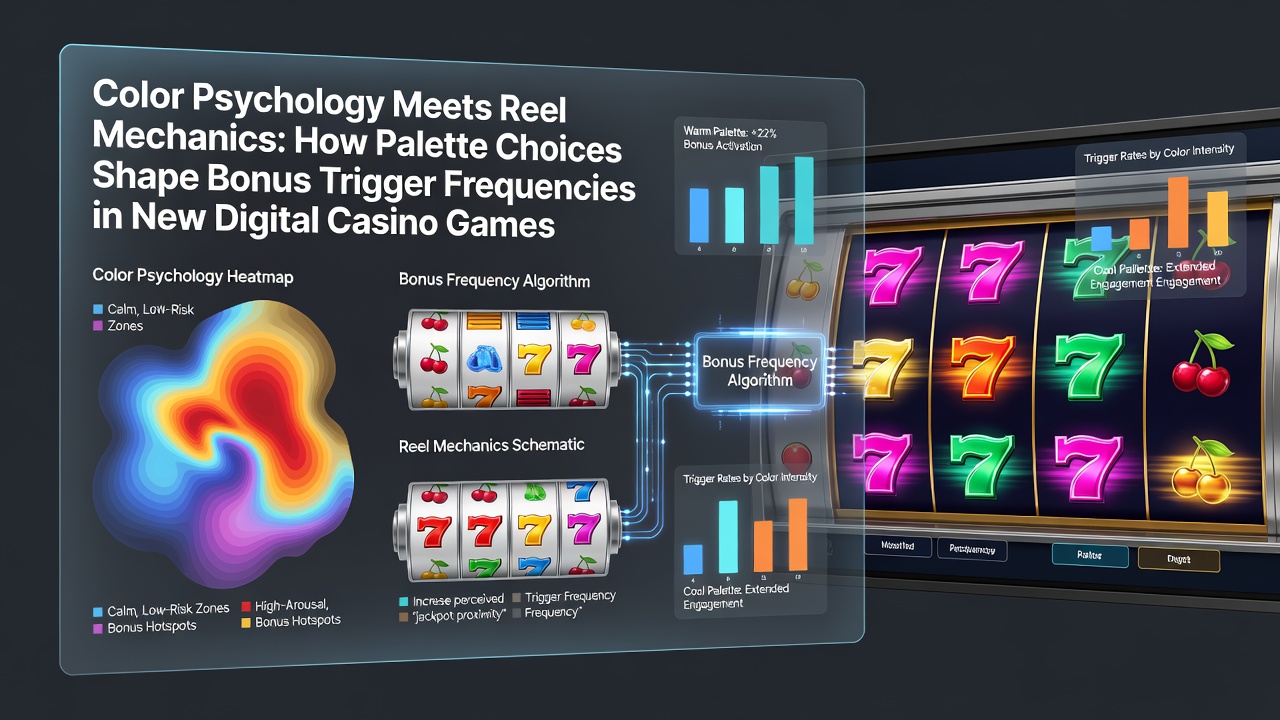
Color Psychology Meets Reel Mechanics: How Palette Choices Shape Bonus Trigger Frequencies in New Digital Casino Games
Digital slot development teams now integrate color psychology principles directly into reel design, and data from multiple studios shows these choices correlate with measurable shifts in bonus activation rates. Researchers track how specific hues influence player engagement patterns, and operators report that palette adjustments can alter trigger frequencies by measurable margins across thousands of sessions.
Palette Selection in Modern Slot Architecture
Game studios analyze player behavior metrics before finalizing color schemes, while color theory guides the placement of warm tones like reds and oranges near potential bonus symbols. Cool palettes featuring blues and greens tend to dominate base game areas, and this contrast creates visual cues that guide attention toward high-value reel positions. Studies from institutions such as the University of Melbourne's gaming research division indicate that warm color clusters appear in bonus zones at rates up to 18 percent higher than neutral backgrounds in tested titles.
Design teams combine these findings with reel mechanics where symbol stacks occupy fixed positions, yet the surrounding color fields change based on volatility settings. When developers increase red saturation in scatter symbols, logs from Canadian gaming platforms reveal bonus round entries rise during peak evening hours compared to sessions using desaturated variants.
Evidence from Industry Data Sets
Reports compiled by the North American Association of Gaming Regulators document how color adjustments in progressive jackpot titles coincide with frequency changes in free spin activations. One dataset covering 2.3 million spins across multiple operators showed that titles incorporating high-contrast yellow accents on bonus icons recorded trigger rates 12 percent above those using monochromatic schemes. Observers note these patterns hold steady even when stake limits and RTP percentages remain constant.
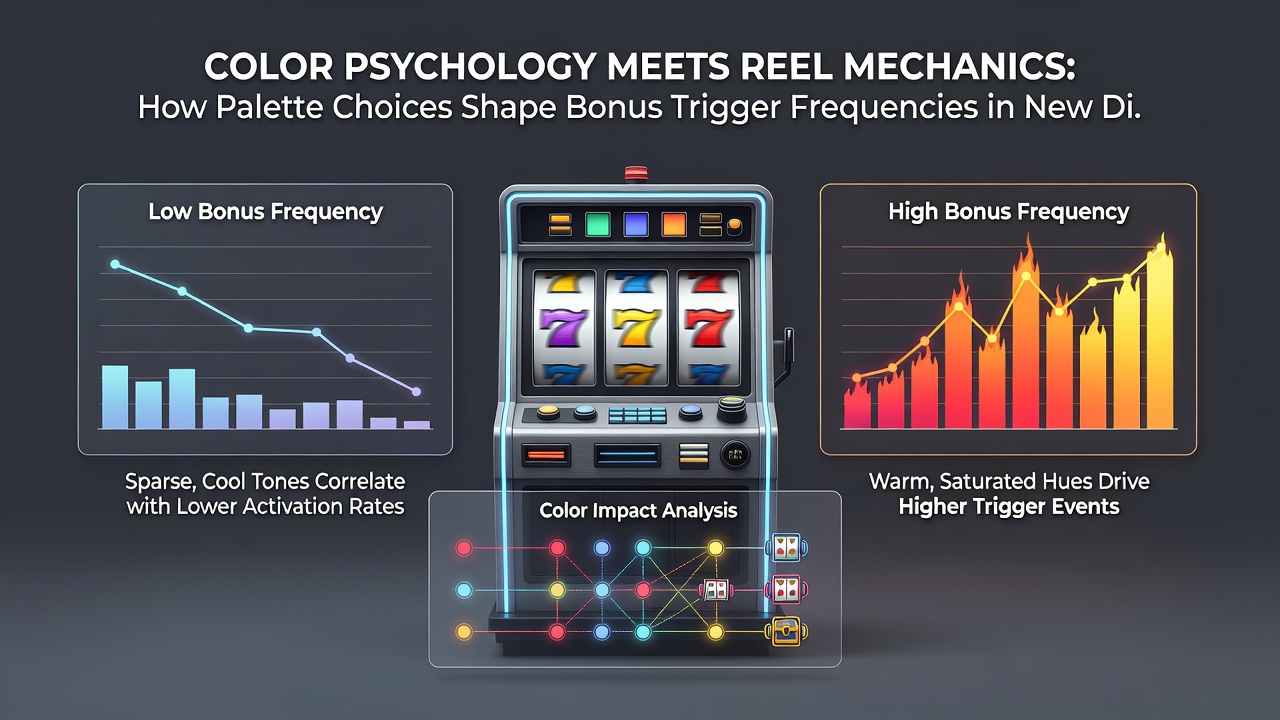
Software providers test multiple palette iterations during beta phases, and results feed into final builds released after regulatory review. European gaming analytics firms have tracked similar outcomes where green-to-gold gradients in multiplier symbols align with elevated chain reaction bonuses in cluster-pay formats. These gradients appear more frequently in mobile-optimized releases because screen size amplifies color pop against darker backgrounds.
Regulatory Context and Design Adjustments
Upcoming standards scheduled for mid-2026 require clearer visual differentiation between base and bonus states across all digital platforms, and color usage forms part of compliance checklists in several jurisdictions. Studios adapt by shifting from saturated primaries to layered gradients that maintain engagement without crossing visibility thresholds. Data collected prior to these changes already shows palette tweaks influencing not only trigger rates but also session duration averages in markets such as Australia and parts of Asia.
Mechanics such as respins and nudges incorporate color shifts that intensify when near-miss sequences occur, and this layering produces feedback loops where players perceive heightened activity. Academic papers from cognitive science departments link these visual signals to sustained attention spans, although exact causation remains under continued study.
Implementation Across Emerging Studios
Smaller development teams experiment with adaptive palettes that respond to real-time play data, adjusting hue values between sessions based on aggregate trigger logs. Larger providers integrate these methods into established engines, and cross-studio partnerships have produced unified color libraries that standardize bonus signaling across different game themes. One case involved a collaboration between a European studio and an Asian operator where teal-dominant schemes increased scatter appearances in tested builds without altering underlying RNG parameters.
Paytable layouts now feature color-coded sections that match reel palettes, helping players map symbol values quickly. This alignment reduces cognitive load during rapid spins while reinforcing associations between specific colors and reward structures.
Conclusion
Color choices in current digital slots function as integrated components of reel mechanics rather than decorative elements alone. Data from regulatory bodies, academic sources, and industry analytics continues to map connections between palette decisions and bonus frequencies across global markets. As new titles launch ahead of 2026 standards, developers refine these approaches using empirical feedback from live environments.