Cross-Device Continuity in Slot Titles: Synchronizing Ecosystems for Seamless Bonus Progression
Written by Cameron Richter · Jul 18, 2026
Cross-Device Continuity in Slot Titles: Synchronizing Ecosystems for Seamless Bonus Progression
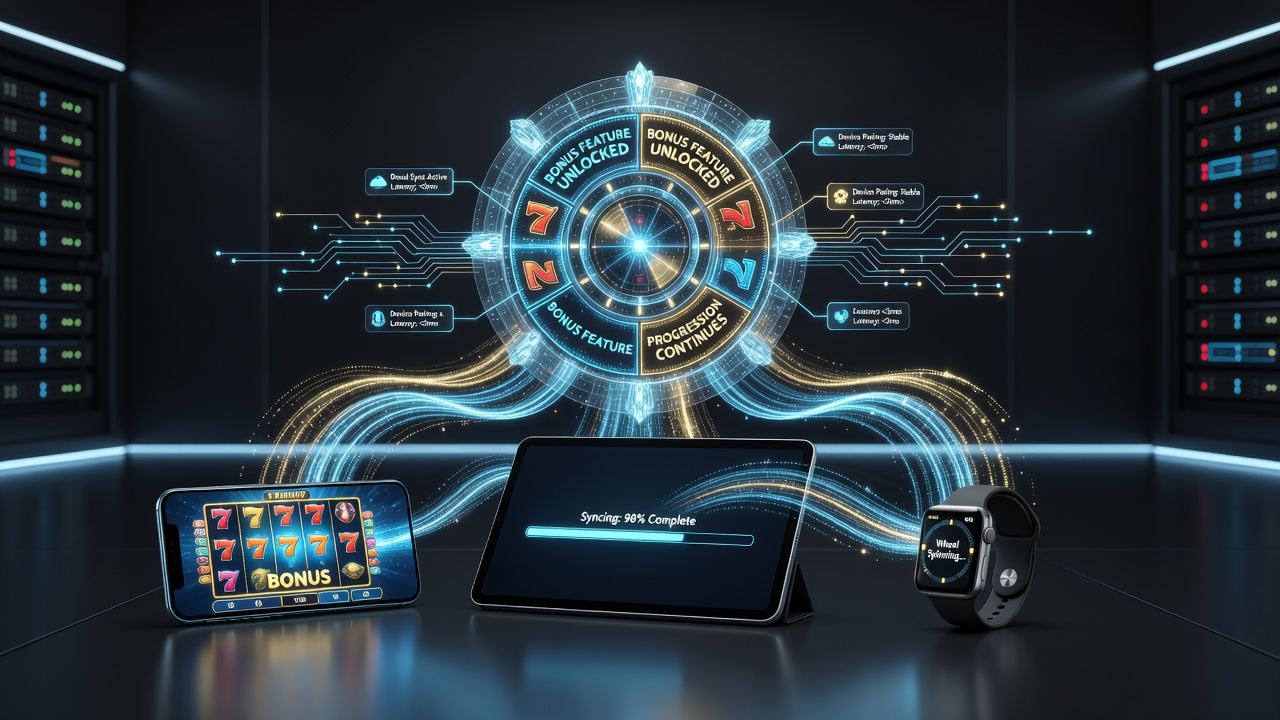
Contemporary slot titles operate across smartphones, tablets, desktops and even smart TVs where players expect bonus features to advance without reset when switching devices, and developers achieve this through cloud-based account systems that store progression data in real time. Providers embed APIs that track elements such as accumulated free spins, multiplier levels and bonus round states so a session started on a mobile commute continues seamlessly on a home computer later that evening.
Technical Foundations of Device Synchronization
Slot studios rely on centralized servers that push updates through secure connections while players move between platforms, and this architecture prevents loss of partial bonus progress because every spin result writes to a shared database rather than local storage alone. Data indicates that major providers adopted unified player accounts years ago yet recent refinements focus on reducing latency during device handoffs, which keeps animations and feature triggers responsive even on slower networks.
Key Components Enabling Uninterrupted Play
- Cloud save protocols that refresh every few seconds
- Device-agnostic authentication layers using biometrics or tokens
- Progressive jackpot pools linked across ecosystems so contributions accumulate regardless of access point
- Real-time asset streaming that loads bonus visuals without full game restarts
Observers note that synchronization becomes especially valuable in titles featuring multi-stage bonus ladders where players build toward larger rewards over multiple sessions, and these mechanics lose appeal if progress resets upon platform change. Research from gaming technology firms shows that titles implementing robust cross-device tracking retain players longer because participants feel their time investment carries forward reliably.
Regulatory Context and Industry Standards
Upcoming hardware and software compliance requirements scheduled for July 2026 in several North American jurisdictions will require enhanced encryption standards for player data transferred between devices, which aligns with existing efforts to protect bonus progression records. These rules aim to standardize how operators handle session continuity when land-based machines integrate with online platforms, although the primary focus remains digital ecosystems where most play now occurs.
One study from the University of Nevada examined player behavior across synchronized environments and found that seamless transitions correlate with higher engagement in bonus-heavy games, while fragmented experiences lead to session abandonment. Figures from the American Gaming Association reveal steady growth in multi-device usage patterns, with operators reporting that synchronized accounts now represent the majority of active player bases in regulated markets.
Practical Implementation Across Providers
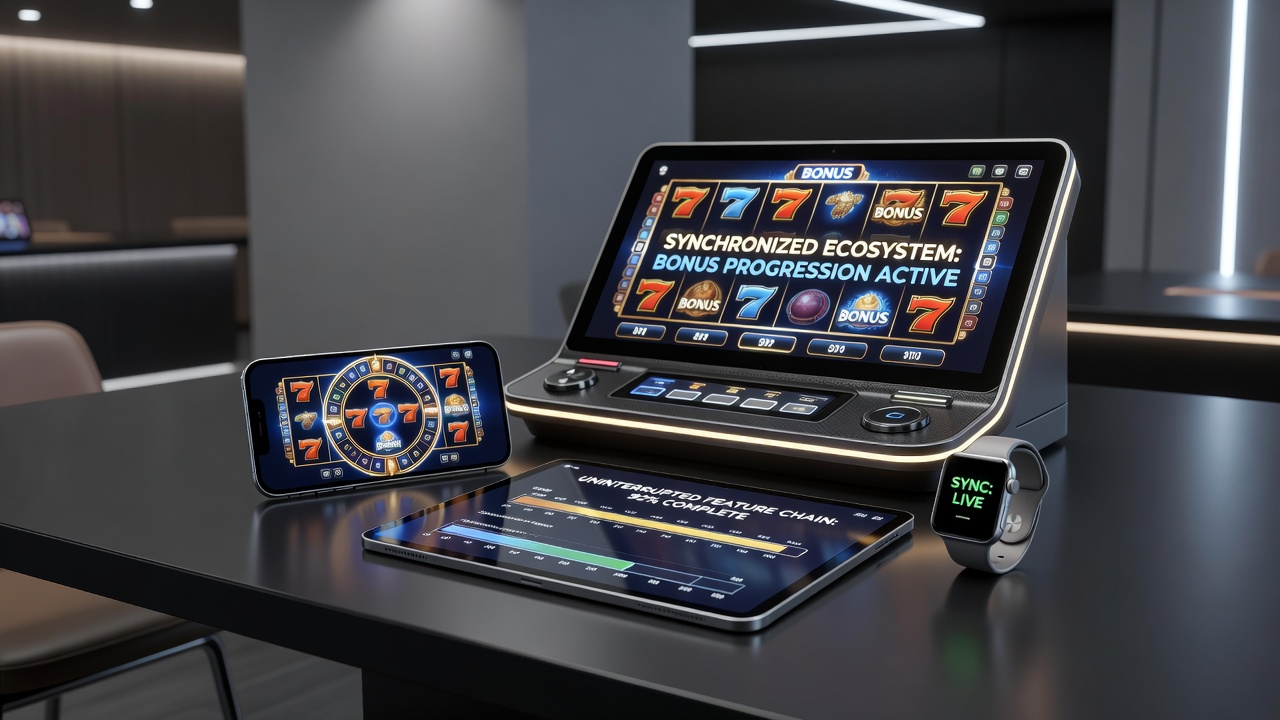
Leading developers integrate synchronization at the engine level so features such as expanding wilds or collected symbols persist through device switches, and this approach extends to live tournament modes where leaderboards update regardless of access method. Take one developer that partnered with payment processors to embed bonus eligibility flags directly into transaction records, allowing instant recognition of ongoing promotions when a player logs in from a new device.
What's interesting is how smaller studios now license synchronization frameworks rather than building custom solutions, which accelerates rollout while maintaining consistency across different game themes. Data shows these shared tools reduce development time yet still permit unique bonus structures that feel tailored to each title.
Player Experience and Retention Data
Players who switch devices mid-session often discover that accumulated bonus meters remain exactly where they left off, which eliminates frustration and supports longer overall play periods according to aggregated industry reports. Those who've studied engagement metrics note that titles without strong synchronization see steeper drop-offs after the first device change, whereas optimized ecosystems maintain momentum through features that span multiple access points.
Additional examples include progressive systems that carry over symbol collections or level-ups between phones and laptops, creating a sense of ongoing narrative within the game world. External analyses from Australian regulatory bodies highlight similar patterns where cross-platform continuity contributes to stable revenue streams without requiring constant new player acquisition.
Future Directions in Ecosystem Alignment
Emerging standards emphasize even tighter integration with wearable devices and voice assistants, allowing voice commands to trigger spins while bonus states update across all linked hardware simultaneously. Industry organizations continue to develop guidelines that address both technical reliability and data privacy so synchronization remains secure as more platforms enter the mix.
Conclusion
Synchronization of device ecosystems now forms a core expectation in contemporary slot design, supported by server architectures, regulatory evolution and player demand for continuity. As July 2026 approaches, operators and developers refine these systems further to meet new compliance benchmarks while preserving the fluid bonus experiences that define modern play. The result is an environment where progression feels natural across every screen a player chooses to use.