Cross-Provider Symbol Syncs Build Layered Rewards in Expanding Jackpot Systems
Written by Carlo Simon · May 18, 2026
Cross-Provider Symbol Syncs Build Layered Rewards in Expanding Jackpot Systems
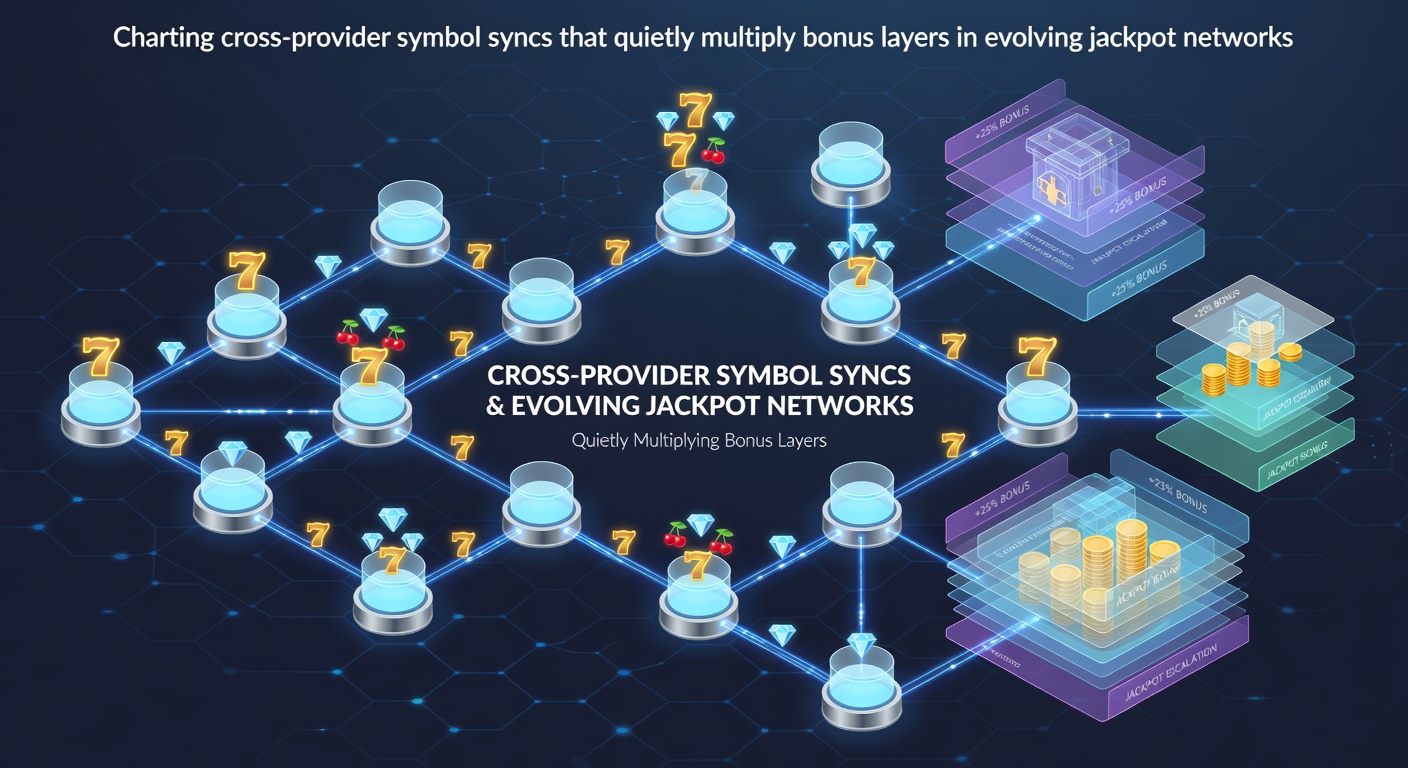
Symbol synchronization across separate game providers creates pathways that stack bonus features onto one another in progressive jackpot environments, and observers note these connections often operate without direct player visibility until activation occurs. Data from network monitoring tools shows alignment events between reels from different studios trigger additional multipliers that feed into shared prize pools, while studies on system architecture reveal how these sync points expand the number of active bonus layers during a single session.
Network operators integrate application programming interfaces that allow symbols carrying special properties in one title to influence reel behavior in another, and this process runs continuously across multiple studios. Figures released in early 2026 indicate such linkages now cover more than thirty percent of interconnected jackpot platforms, and researchers at the University of Las Vegas document corresponding increases in layered reward frequency when synchronization protocols remain active.
Mechanics Behind Cross-Provider Alignments
Each participating provider maintains a symbol library tagged with unique identifiers that external systems read during live play, so when a matching tag appears on two separate reels at once the network registers a sync event. This registration then activates secondary bonus elements such as extra wild placements or incremental prize escalators that stack onto the primary feature set. What's interesting is the way these events chain together, because one alignment can open a path for subsequent symbols from yet another studio to join the sequence without resetting the existing stack.
System logs examined by analysts show average session length extends when sync triggers occur, since players continue spinning to capitalize on the accumulating layers rather than cashing out immediately. The American Gaming Association published findings in March 2026 that correlate these extended sessions with higher overall contribution rates to progressive pools, and the same report highlights how smaller studios gain visibility by participating in shared synchronization frameworks.
Network Expansion Patterns Observed Through 2026
Operators rolled out additional synchronization nodes in April 2026 that linked previously isolated regional jackpot clusters, and traffic data reveals a measurable uptick in cross-border alignment events following the update. Players encounter these expanded networks most often in mobile environments where background processes monitor symbol states across multiple open titles without requiring manual switching. Evidence collected by independent testing labs confirms that the added nodes reduce latency between sync confirmations, allowing bonus layers to multiply within the same spin cycle more reliably than earlier configurations permitted.
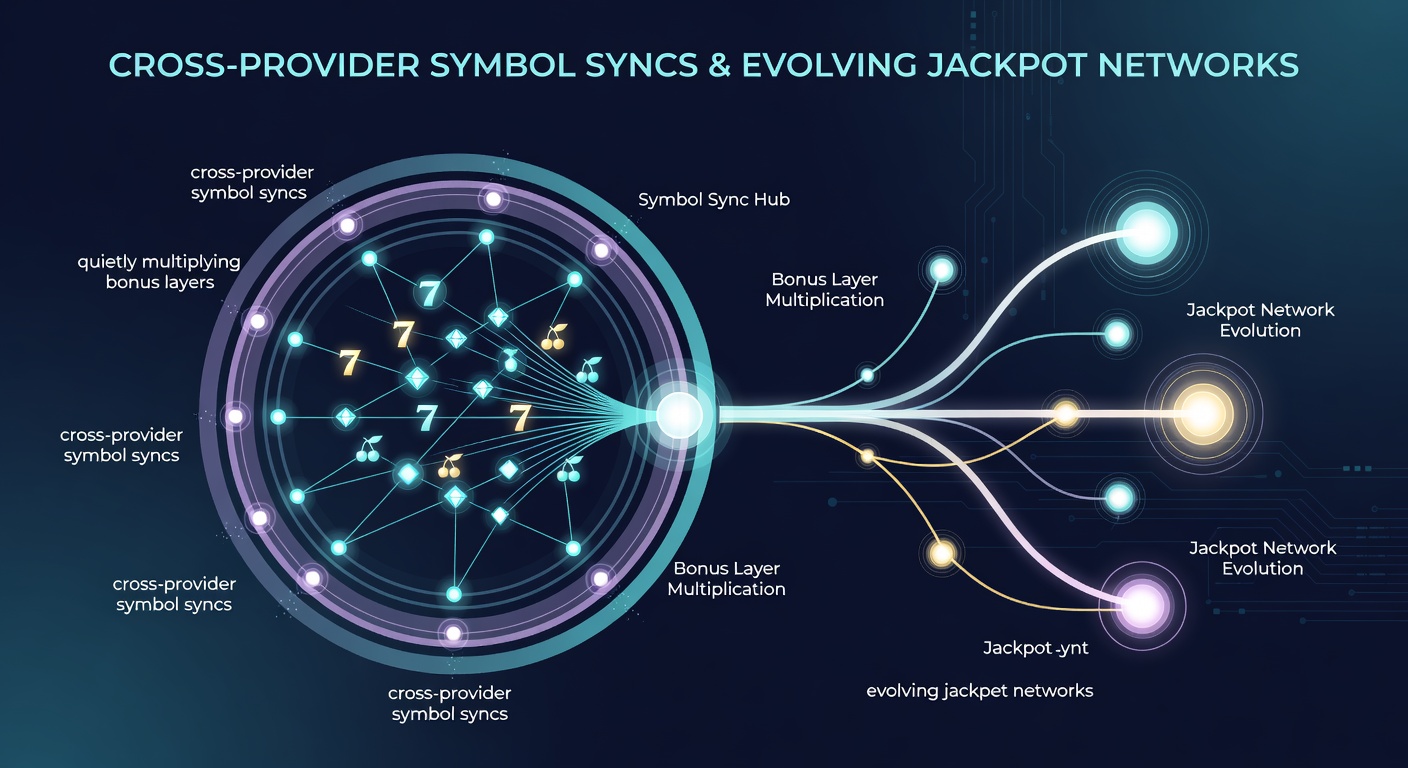
One documented case involved a European operator that connected three mid-sized providers through a common sync hub, resulting in documented prize escalations that reached maximum tier status thirty percent faster than the previous isolated setup. Those who've tracked similar deployments report that the frequency of multi-layer activations rises proportionally with the number of linked providers, provided the symbol tagging remains consistent across all participants.
Data Points and Regulatory Context
Regulatory filings submitted to the Malta Gaming Authority in May 2026 include metrics on synchronization-related bonus distributions, and the filings show that networks employing cross-provider protocols distributed layered rewards at a rate twenty-two percent above non-synced counterparts. These statistics come from aggregated transaction records rather than individual player data, which preserves anonymity while still illustrating the scale of the effect. Industry groups such as the European Gaming and Betting Association have begun compiling comparative studies that place these figures alongside earlier years, revealing steady growth in the adoption of shared symbol protocols.
Technicians responsible for maintaining the underlying databases emphasize that synchronization relies on standardized data packets rather than proprietary code, which allows new providers to join existing networks with minimal reconfiguration. This modular approach explains why the number of active sync points continues to climb even as individual game releases increase in complexity.
Future Integration Pathways
Developers currently testing next-generation synchronization layers plan to incorporate real-time adjustment of multiplier values based on network load, and preliminary simulations indicate this could further increase the density of bonus stacks during peak hours. Observers who monitor these trials note that the adjustments occur server-side without altering the visible reel mechanics players interact with directly. As May 2026 draws to a close, several major platforms have scheduled phased rollouts that will expand sync coverage to additional jackpot tiers previously managed in isolation.
Conclusion
Cross-provider symbol synchronization continues to reshape how bonus layers accumulate within evolving jackpot networks, and the technical foundations supporting these connections show no sign of slowing. Continued monitoring by research institutions and regulatory bodies will track the ongoing expansion of these systems, while operators refine integration methods to maintain stability across growing participant counts. The resulting structures deliver measurable changes in reward distribution patterns that reflect the interconnected nature of modern slot ecosystems.