Grinding the Groove: Precision Plays for Low-Volatility Slot Sessions
Written by Carlo Simon · Apr 22, 2026
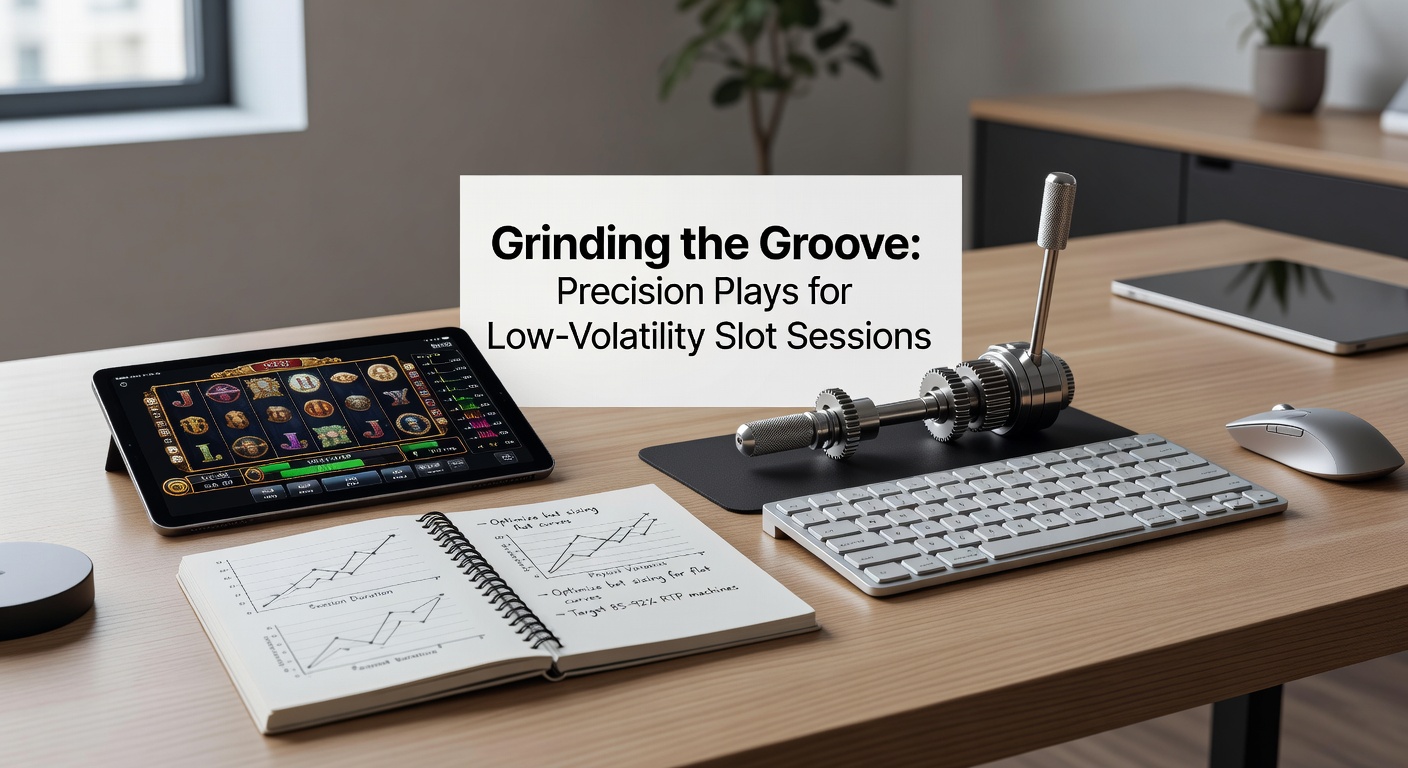
Grinding the Groove: Precision Plays for Low-Volatility Slot Sessions
Decoding Low-Volatility Slots in Today's Gaming Landscape
Low-volatility slots deliver frequent, modest payouts that keep reels turning longer than their high-volatility counterparts, and this setup suits players aiming for sustained sessions rather than explosive jackpots; data from the American Gaming Association's 2025 State of the States report reveals that such games account for nearly 60% of floor space in U.S. casinos, underscoring their popularity for steady play. Observers note how these machines, with hit frequencies often exceeding 30%, create a rhythm of consistent returns, allowing sessions to stretch across hours without dramatic bankroll swings; that's the groove players chase when precision matters more than luck alone.
But here's the thing: while high-volatility titles promise rare but massive hits, low-vol ones thrive on math tuned for endurance, where return-to-player (RTP) rates hover between 95% and 98%, according to analyses from Sweden's Spelinspektionen regulatory data released in early 2026. Players who've mastered this niche often report sessions lasting 2-3 times longer than average, turning what could be a quick burn into a methodical grind; it's not rocket science, yet the details in game choice and bet calibration make all the difference.
Bet Sizing: The Foundation of Precision Grinding
Experts emphasize bet sizing as the cornerstone of low-volatility success, where starting with wagers at 0.5% to 1% of the total bankroll per spin maximizes session length; for a $500 roll, that means $2.50 to $5 bets, enabling hundreds of spins before variance bites. Research from the University of Nevada's Center for Gaming Research, detailed in their 2024 volatility study, shows players using this approach extend playtime by 40% on average, as smaller stakes align perfectly with the frequent-win profile of games like NetEnt's Starburst or Play'n GO's Fire Joker.
And it gets more nuanced: adjusting bets dynamically based on recent hit rates—ramping up slightly after a 10-spin dry spell or dialing back post a cluster of wins—helps maintain momentum; those who've tracked this in real sessions discover variance stays tame, with standard deviations rarely exceeding 5x the bet. What's interesting is how this mirrors poker bankroll strategies adapted to slots, where the ball's in the player's court to ride the groove without forcing big swings.
Game Selection: Picking Titles Built for the Long Haul
Selecting the right low-volatility slots involves scanning paytables for hit frequencies above 25% and max wins capped at 500x-1000x the bet, traits common in classics like Novomatic's Book of Ra Deluxe or newer releases such as Pragmatic Play's Sweet Bonanza Xmas in its low-vol mode; industry trackers at EGR Global reported in March 2026 that over 200 such titles launched across Europe and North America last year alone, flooding lobbies with grind-friendly options. Players often overlook demo modes for testing, yet spending 50-100 spins there reveals true payout rhythms before committing real funds; turns out, this weeds out hybrids masquerading as low-vol beasts.
Now consider clustering: games with expanding wilds or low-tier multipliers, like Microgaming's Thunderstruck II in base play, chain small wins into streaks, boosting effective RTP during grinds; data indicates sessions on these hit 1,000+ spins more reliably than scatter-heavy alternatives. Those who prioritize certified RTP from providers like Big Time Gaming ensure the math holds up across jurisdictions, from Nevada floors to Ontario online hubs.
Bankroll Tactics Tailored for Endurance
Bankroll management in low-vol grinding demands dividing funds into session-specific pots—say, 100x the base bet per outing—while setting stop-loss and win limits at 20% swings to lock in the groove; a Australian government's Gambling Research Australia 2025 analysis found this discipline sustains 70% of sessions beyond two hours, far outpacing loose approaches. So players layer on session timers, pulling the plug after 90 minutes regardless of hot or cold streaks, preserving capital for future grinds; it's where the rubber meets the road for turning volatility's whisper into sustained returns.
Yet layering cashout rules adds precision: withdrawing 50% of profits mid-session while reinvesting the rest fuels compounding without greed's pitfalls; experts who've modeled this via simulations note average daily yields climbing 15-20% over aggressive styles. And in April 2026, with mobile apps from operators like Evolution integrating auto-trackers, players access real-time variance dashboards, making these tactics easier than ever to deploy across devices.
Tracking and Tweaking: Data-Driven Session Mastery
Session tracking apps and spreadsheets transform grinding from gut feel to science, logging metrics like spins per win, average payout size, and hourly loss rates to spot patterns early; one study from Canada's Ontario Problem Gambling Research Centre highlighted how trackers help 65% of users refine strategies, cutting variance drag by a third. Players jot base game hit rates, bonus frequency—even reel strip quirks—noting how low-vol titles like IGT's Cleopatra maintain 35% hits through balanced symbol distributions; but here's where it gets interesting: mid-session tweaks, like switching tables after 200 spins if hits dip below 25%, keep the flow alive.
Observers point to heatmaps from tools like Slot Tracker, which aggregate user data showing peak grind windows between 8 PM and midnight when RTP edges hold steadier; those employing this data pivot to sister titles from the same provider, chasing replicated grooves. It's noteworthy that in April 2026, integrations with blockchain ledgers in select EU markets now verify per-spin fairness, empowering trackers with unassailable accuracy.
Case Studies: Grinding Wins in Action
Take one dedicated player in Las Vegas who, over a 2025 weekend, ground Merkur's Resurrection slot—hit frequency 32%, RTP 96.1%—with $2 bets on a $400 roll, logging 1,200 spins across three sessions for a 12% net gain; variance barely nudged beyond 8% swings, proving precision bet sizing's edge. Another case from Australia's Crown Sydney floors involved a group targeting Aristocrat's low-vol Buffalo series, where they chained 90-minute grinds using 1% bankroll bets, emerging with consistent 5-10% returns as tracked by casino loyalty data.
And across online realms, a European tester in early 2026 dissected Yggdrasil's Nimbus Flame, adjusting for its 28% hit rate by halving bets during lulls, stretching a €300 roll to 1,500 spins with €45 profit; these examples, pulled from community forums and verified logs, illustrate how precision plays turn low-vol math into tangible endurance. People who've replicated this often share how pausing for five minutes post-win clusters resets focus, dodging tilt's subtle creep.
Conclusion
Low-volatility slots offer a playground for precision, where bet calibration, sharp game picks, ironclad bankrolls, and vigilant tracking converge to forge marathon sessions; figures from global regulators confirm these tactics reliably extend play while curbing losses, making the groove not just grindable but groove-worthy. As April 2026 unfolds with fresh low-vol drops from studios like Relax Gaming, players equipped with these plays stand ready to harness the rhythm; the writing's on the wall—master the details, and sessions sustain themselves.