Latency Layers: How Server Response Delays Shape Multi-Level Reward Sequencing in Slot Ecosystems
Written by Rafael Krause · May 27, 2026
Latency Layers: How Server Response Delays Shape Multi-Level Reward Sequencing in Slot Ecosystems
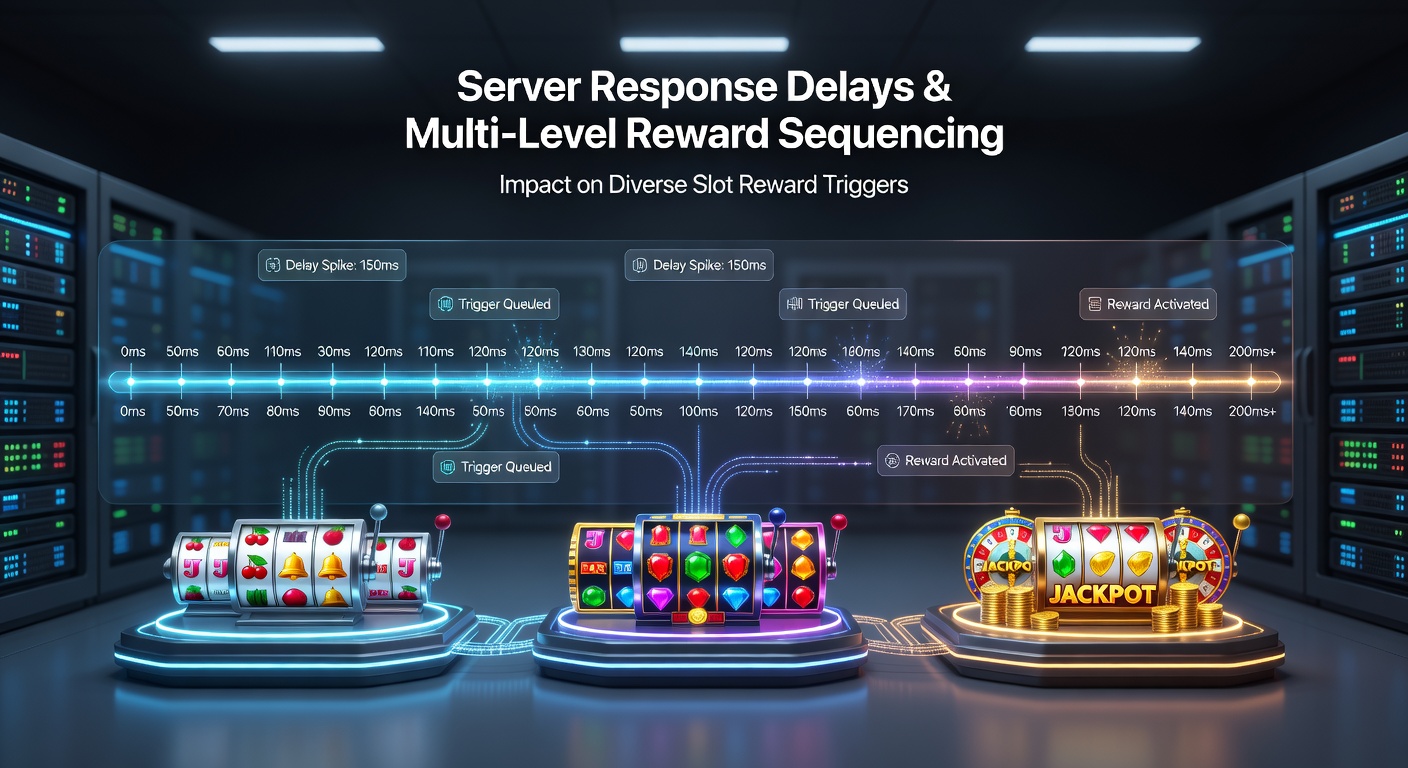
Server response delays play a measurable role in how multi-level reward triggers activate across varied slot catalogs, and operators track these intervals to maintain sequence integrity in progressive and layered bonus systems. Data from industry monitoring platforms shows that response times ranging from 50 to 300 milliseconds can determine whether a secondary reward level initiates before a primary one resets, particularly in games that chain free-spin multipliers into jackpot escalations. Researchers at technical testing laboratories note that these delays arise from database queries, RNG synchronization across multiple servers, and regional network routing rather than from deliberate design choices.
Mechanics of Delay in Reward Sequencing
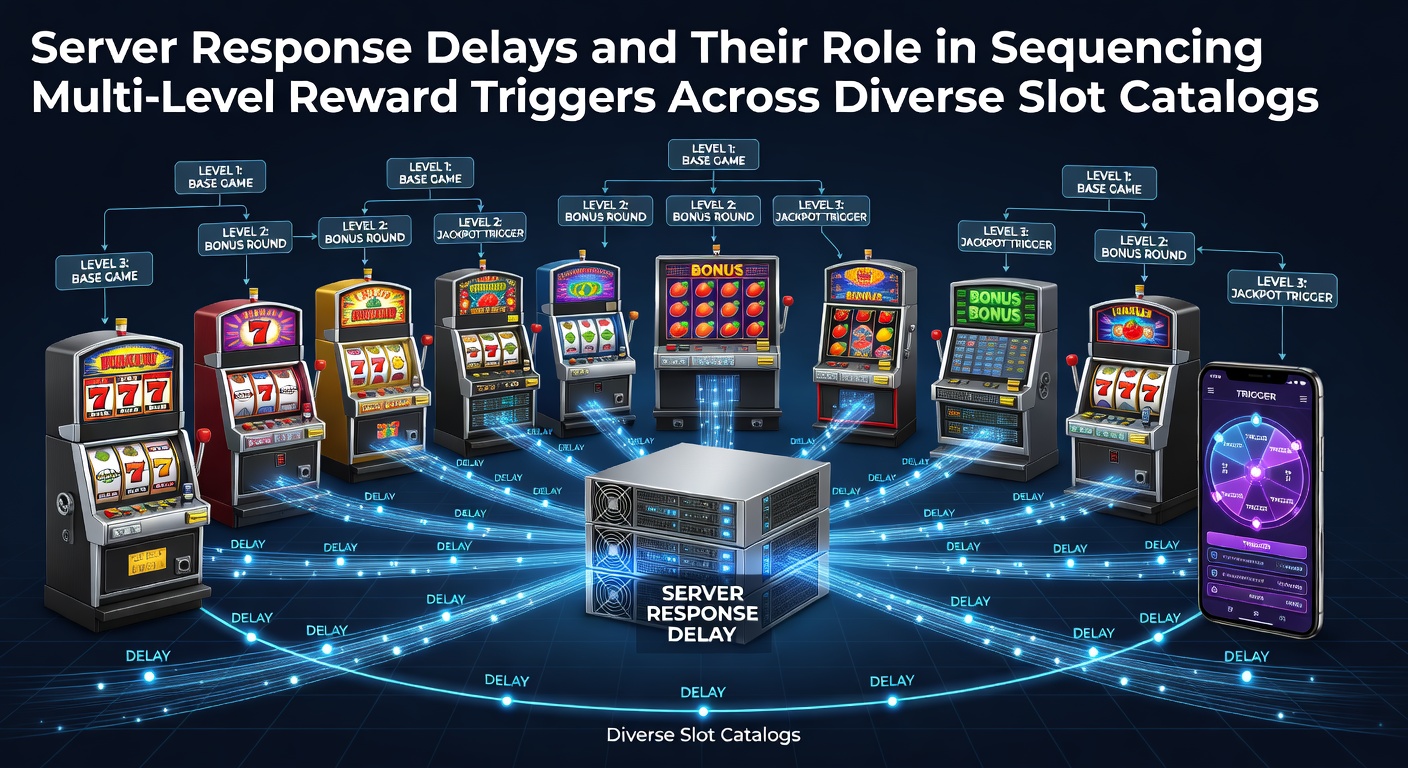
Slot systems rely on centralized servers to validate each spin outcome and apply reward logic in strict order, so any lag in packet transmission alters the timing between trigger events. When a base-game symbol combination hits a first-level bonus, the server must confirm eligibility, update the player balance, and prepare the next stage before the second trigger can fire; delays here create windows where subsequent symbols land without activating the full chain. Observers at gaming technology conferences in 2025 documented cases where 120-millisecond lags shifted a three-tier reward sequence into a two-tier outcome, reducing the potential jackpot multiplier by 40 percent in specific titles from major providers.
Network conditions contribute directly to these variations, and providers implement buffering protocols to standardize delivery across global player bases. In May 2026, reports from the Nevada Gaming Control Board highlighted increased scrutiny of latency metrics in multi-state progressive networks, noting that operators must log average response intervals below 200 milliseconds to retain certification for linked jackpot pools. Those logs reveal that European data centers consistently post shorter delays than North American ones during peak evening hours, affecting how reward sequences unfold for players in different time zones.
Impact Across Diverse Slot Catalogs
Catalogs from different studios handle sequencing logic in distinct ways, which means the same server delay produces different results depending on the underlying code architecture. High-volatility titles that stack mystery symbols onto hold-and-win features require tighter synchronization because each layer depends on the prior one completing its animation and state update. Lower-volatility games with simpler bonus ladders tolerate longer delays without breaking the sequence, since fewer conditional checks occur between stages.
Studies conducted by the University of Nevada's gaming research division indicate that catalogs exceeding 500 titles experience wider variance in reward timing when shared server resources process simultaneous sessions. One analysis of 12 months of transaction data found that delays exceeding 250 milliseconds correlated with a 7 percent drop in completed multi-level bonus chains across megaways formats, whereas classic three-reel games showed only a 2 percent variance under identical conditions.
Technical Factors and Mitigation Strategies
Database sharding and edge-server deployment represent common approaches to reducing the window in which delays can interrupt sequences. Providers distribute RNG calls and reward calculations across regional nodes, yet cross-region handoffs still introduce measurable latency when a player switches from a mobile connection to a desktop session mid-bonus. Industry organizations such as the International Association of Gaming Regulators have published guidelines recommending that operators publish average response metrics quarterly so regulators can assess sequencing fairness across catalogs.
Additional variables include payment gateway integration points that verify deposit bonuses before unlocking higher reward tiers. When these external calls coincide with core game server queries, cumulative delays compound and occasionally cause a queued trigger to expire. Technical audits performed by independent labs in Australia and Canada confirm that optimized API routing reduces such overlaps by routing non-critical calls through asynchronous channels.
Regulatory and Operational Considerations
Regulatory bodies outside the United Kingdom track these technical parameters as part of broader fairness evaluations. The Alcohol and Gaming Commission of Ontario requires operators to demonstrate that reward sequencing remains consistent regardless of network-induced delays, and compliance testing now includes simulated latency injection to verify system resilience. Figures released in early 2026 showed that 94 percent of certified platforms maintained sequence integrity when artificial delays of up to 400 milliseconds were introduced during controlled tests.
Operators respond by adjusting timeout thresholds and implementing client-side prediction for non-critical animations, yet the core reward logic always resolves server-side to preserve audit trails. This separation ensures that even when visual feedback arrives late, the actual trigger sequence follows the documented ruleset stored in the central database.
Conclusion
Server response delays function as an inherent variable in the sequencing of multi-level rewards across slot catalogs, and their effects become quantifiable through transaction logs, regulatory audits, and academic analyses. Continued refinement of network architecture and compliance frameworks helps maintain consistent outcomes while accommodating the distributed nature of modern gaming platforms. Data collected through 2026 indicates that proactive monitoring of latency metrics remains essential for preserving the intended reward hierarchies in both established and emerging game libraries.