Seasonal Event Tie-Ins That Alter Standard Payout Structures in Contemporary Slot Offerings
Written by Rafael Krause · May 30, 2026
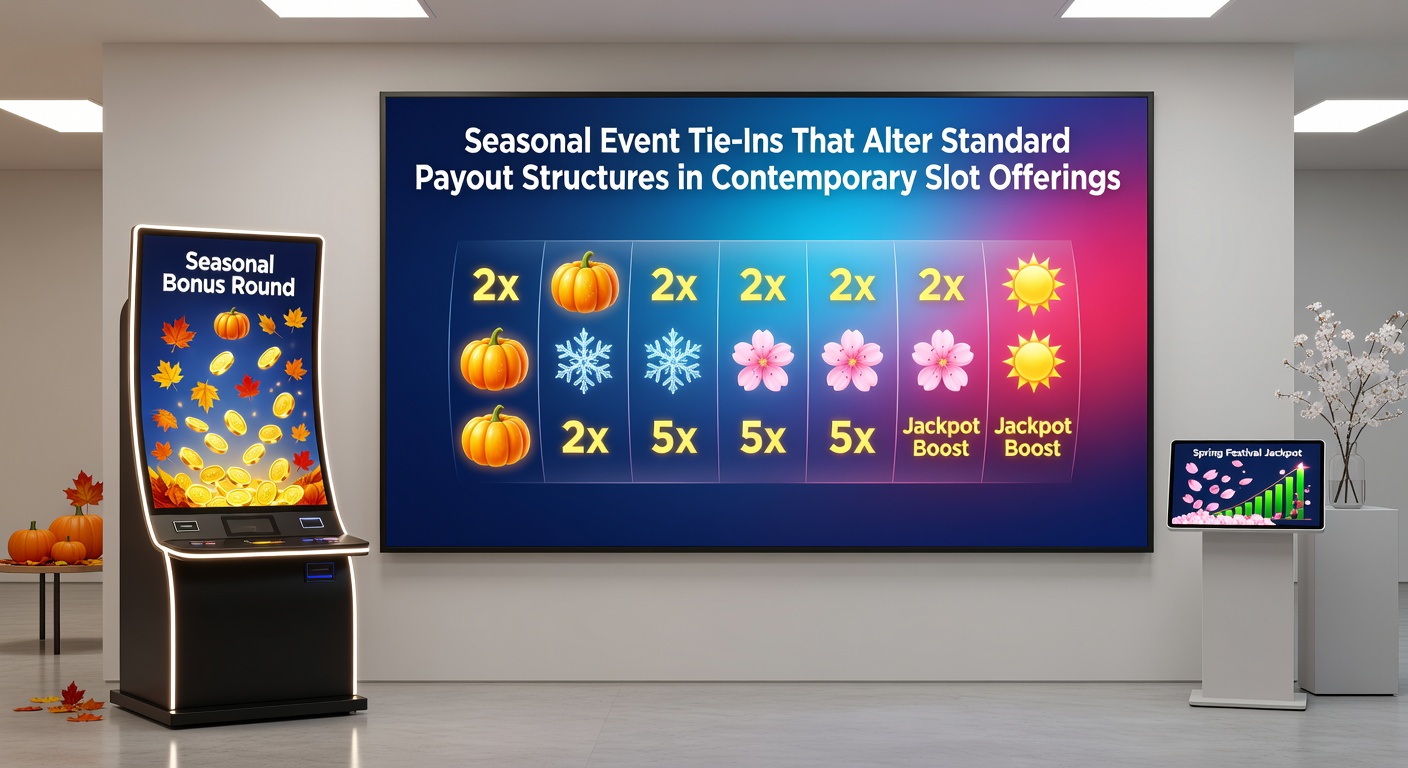
Seasonal Event Tie-Ins That Alter Standard Payout Structures in Contemporary Slot Offerings
Seasonal events have become integral to slot development because providers integrate limited-time mechanics that directly modify base payout percentages, reel configurations, and bonus trigger frequencies. These adjustments often appear during holidays or cultural observances and they reshape how wins accumulate without altering the underlying random number generator certification standards set by testing laboratories.
Developers achieve these changes through temporary symbol substitutions, stacked wild expansions, and event-specific multiplier ladders that activate only within defined calendar windows. Research from gaming certification bodies indicates that such modifications maintain regulatory compliance while creating distinct return-to-player profiles during the active period, which typically lasts between two and six weeks depending on the provider's release schedule.
Mechanics Behind Temporary Payout Adjustments
Contemporary slot titles incorporate seasonal overlays by layering additional payline structures or cluster formations onto standard reels, and these additions frequently introduce progressive elements that scale with accumulated event participation. Data from industry reports shows that multiplier values during festive periods can range from 2x up to 50x on base wins, whereas standard sessions remain capped at lower thresholds to preserve mathematical balance across the full game cycle.
Take one release cycle where autumn harvest themes introduced cascading reel sequences that reset payout tables mid-spin, allowing consecutive wins to compound at rates not present in the core version. Observers note that these cascades connect directly to event calendars because they reference harvest symbols and seasonal icons that replace regular high-paying cards only while the promotion runs.
Regional Regulatory Context and Certification Processes
Testing agencies in North America and Europe require separate validation for each seasonal variant because the altered payout tables constitute distinct game versions under existing frameworks. According to documentation from the Nevada Gaming Control Board, operators must submit updated probability models at least 30 days before deployment to ensure transparency in how event mechanics influence overall house edge calculations.
European jurisdictions follow parallel procedures through accredited labs that evaluate whether temporary changes comply with consumer protection directives, and figures from recent audits reveal that seasonal configurations undergo an average of 18 additional test cycles compared with standard releases. This process confirms that RTP fluctuations remain within documented ranges even as visual and audio elements shift to match the theme.
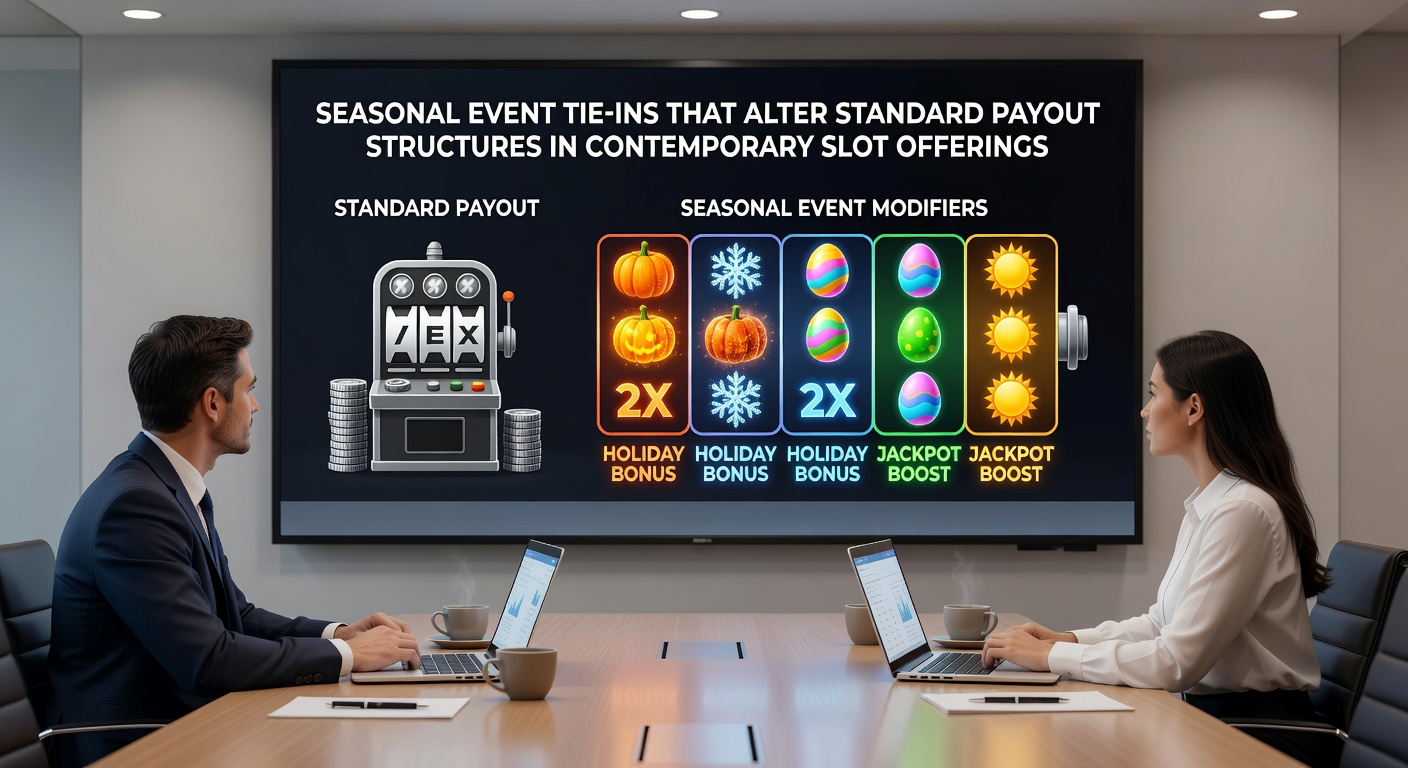
Examples of Event-Driven Structure Changes Across Providers
Multiple studios have released titles where winter celebrations introduced hold-and-spin features that lock seasonal symbols in place, thereby extending the duration of bonus rounds and increasing the frequency of medium-tier payouts. These features operate alongside base game mathematics yet they recalibrate volatility curves for the duration of the event window, which data indicates can shift session length expectations by 12 to 25 percent according to aggregated operator telemetry.
Spring renewal themes often deploy symbol transformation mechanics that convert low-value icons into event-exclusive wilds during specific hours of the day, and researchers at institutions studying digital gaming patterns have documented corresponding spikes in bonus activation rates. One study from a Canadian research group highlighted how these timed transformations create layered reward sequences that differ measurably from year-round configurations while preserving the certified random outcomes.
Impact on Player Session Metrics and Market Trends
Analytics platforms tracking global slot activity report that seasonal tie-ins correlate with measurable increases in average bet sizes during the first week of activation, after which engagement patterns stabilize as participants adapt to the revised structures. These trends appear consistent across mobile and desktop platforms, with operators noting that event-specific leaderboards further incentivize continued play by rewarding cumulative point totals earned through the modified payout pathways.
By May 2026, several major providers have scheduled floral and renewal campaigns that will introduce reel-expansion features capable of adding extra positions during bonus sequences, and preliminary technical specifications indicate these additions will recalibrate symbol distribution probabilities only for the active period. Such updates follow established patterns observed in prior cycles where spring events produced distinct payout distributions without requiring permanent code alterations.
Conclusion
Seasonal event tie-ins continue to evolve as providers refine methods for temporary payout modification while adhering to certification requirements across jurisdictions. The integration of these limited-duration structures demonstrates how calendar-based themes can introduce fresh mathematical layers without disrupting core game integrity, and ongoing data collection from regulatory and research entities will likely shape future iterations of this approach in slot design.