Studio Networks Forge Unified Pathways to Multi-Layered Rewards
Written by Rafael Krause · May 20, 2026
Studio Networks Forge Unified Pathways to Multi-Layered Rewards
Game development studios have started linking their platforms in ways that let players move between different titles while carrying forward progress toward layered rewards, and this shift relies on shared payment rails that handle deposits, withdrawals, and bonus unlocks across multiple providers at once. Observers note that such connections reduce friction for users who previously needed separate accounts and transaction methods for each studio's ecosystem, while data from industry reports shows increased retention rates when rewards accumulate across titles rather than resetting at the boundary of any single game.
Building Shared Reward Layers
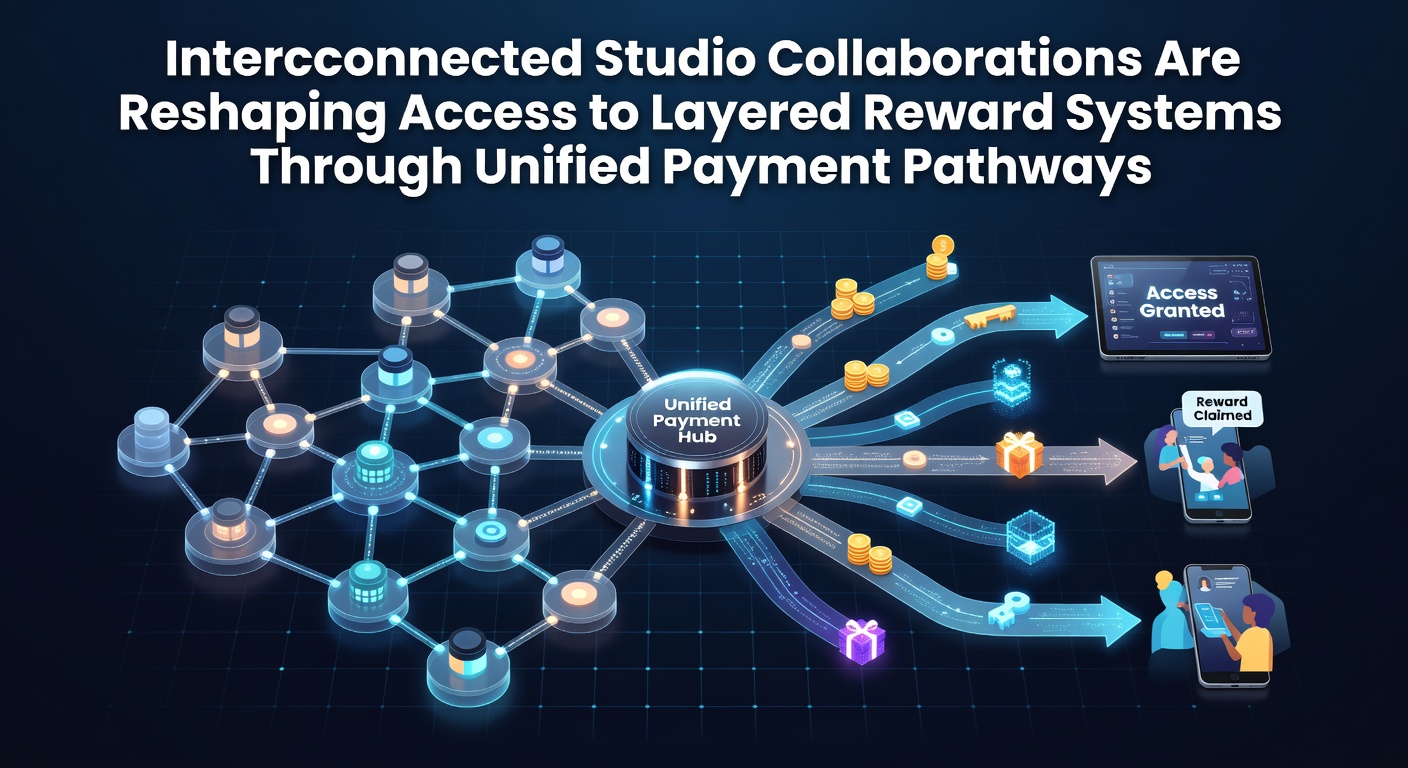
Collaborations typically begin with backend agreements that allow one studio's loyalty points or progress meters to feed into another's systems, creating stacked tiers where players unlock higher-value bonuses after meeting combined play thresholds. Researchers tracking these arrangements have documented cases where three or more independent developers pool data streams to form composite reward ladders, and the process involves standardized APIs that sync player identifiers without exposing full financial details. In May 2026 several North American and European studios rolled out a joint framework that lets participants accumulate both cashback and free-play credits across all connected titles, a move that followed pilot tests showing faster progression through reward stages when payment histories remained continuous.
Unified Payment Pathways in Practice
Payment unification sits at the core of these partnerships because separate deposit methods often interrupt the flow of reward eligibility. When a single gateway processes transactions for multiple studios, the system can automatically tag each deposit with metadata that triggers corresponding reward credits in every linked title. Figures from transaction analytics firms reveal that average session lengths extend when players no longer switch between banking apps or e-wallets, and the same studies indicate fewer abandoned carts during bonus purchases. One documented example involves a consortium that integrated a common stable-coin rail, allowing instant crediting across five different game libraries while maintaining compliance records for each jurisdiction's requirements.
Technical Standards Driving Integration
Observers point to the adoption of common data-exchange protocols as the enabling factor behind these networks. Studios share only the minimal player-state information needed to validate reward eligibility, while payment processors handle the heavier lifting of compliance checks and fund routing. Academic papers on digital-platform economics have examined how such modular architectures lower the cost of entry for smaller developers, since they can plug into an existing payment and reward layer instead of building both from scratch. Data shows that studios participating in these shared systems report shorter development cycles for new titles, because core monetization and loyalty features already exist in the connected infrastructure.

Regulatory Considerations Across Regions
Different licensing authorities apply varying rules to cross-studio data sharing, yet the trend toward unified pathways continues because operators structure agreements to satisfy each regulator's data-localization and anti-money-laundering standards. A Canadian provincial gaming authority report highlighted how aggregated transaction logs, when anonymized at the consortium level, still provide sufficient audit trails for oversight without requiring every studio to maintain separate compliance teams. Similar patterns appear in Australian regulatory filings, where operators must demonstrate that reward multipliers do not exceed statutory caps even when points flow across multiple providers.
Player Access Patterns and Data Trends
Analytics platforms tracking user behavior note that players who engage with interconnected titles tend to distribute their activity more evenly rather than concentrating on a single studio's catalog. This distribution pattern supports steadier revenue for the entire network while giving individuals broader choice in how they pursue layered rewards. One study tracking transaction volumes across linked platforms found that the introduction of unified deposit options coincided with a measurable rise in cross-title progression events, particularly among users who previously limited play to one or two providers due to payment inconvenience.
Future Outlook for Network Expansion
Industry associations continue to refine interoperability guidelines, and additional studios are expected to join existing frameworks as the technical overhead decreases. Those monitoring the space point out that continued growth depends on maintaining transparent reward rules and secure payment handoffs, yet the infrastructure already in place provides a scalable model for further connections. As more providers adopt the same data standards, the number of accessible layered reward systems is projected to increase without requiring players to manage multiple accounts or payment methods.
Conclusion
Interconnected studio collaborations have established practical routes for players to access layered rewards through shared payment systems, and the resulting networks continue to expand as technical standards mature and regulatory frameworks adapt. The evidence gathered from transaction data, compliance reports, and platform analytics indicates that these arrangements deliver measurable improvements in continuity and choice while preserving the distinct identity of each participating studio.