Symbol Stack Synergies: How Niche Providers Coordinate Respin Triggers with Gateway Bonuses in Cluster Pay Mobile Releases
Written by Rafael Krause · Aug 3, 2026
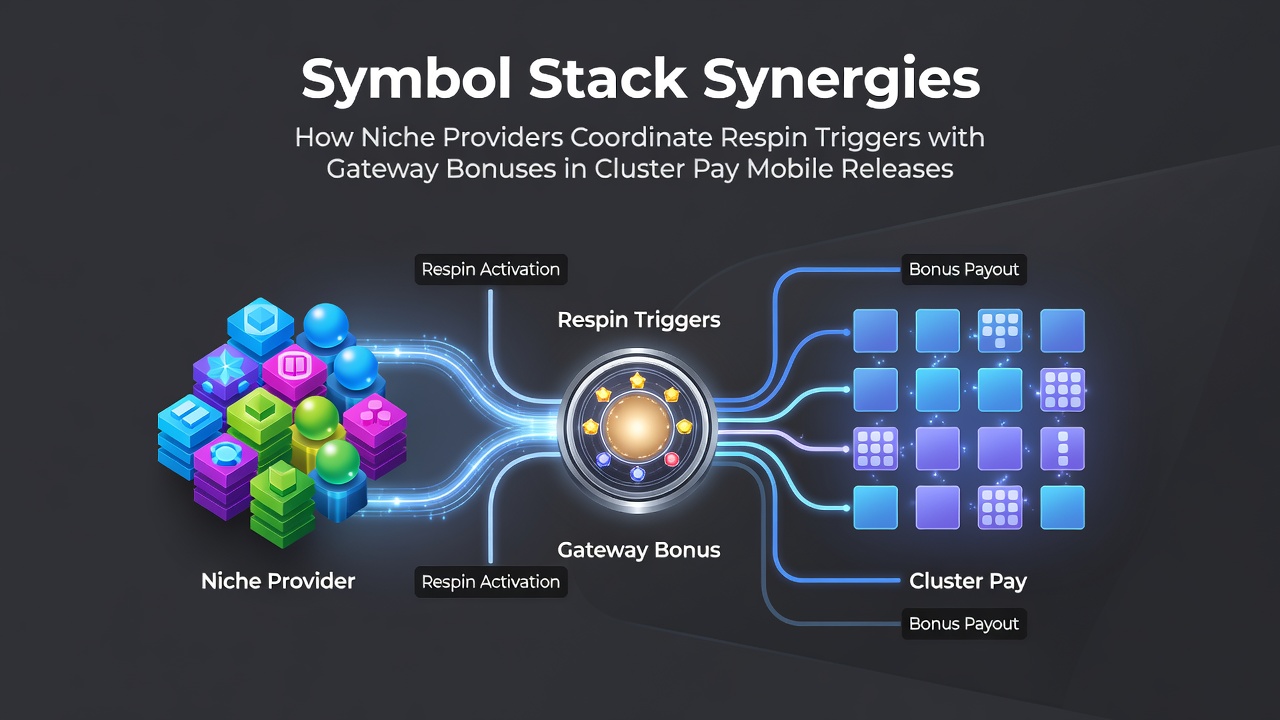
Symbol Stack Synergies: How Niche Providers Coordinate Respin Triggers with Gateway Bonuses in Cluster Pay Mobile Releases
Cluster pay formats continue to expand across mobile platforms as developers refine the ways stacked symbols interact with respin mechanics and gateway-linked bonuses, and niche studios play an increasing role in these integrations. Data from multiple markets indicates that coordinated features produce measurable differences in session length when payment gateways activate specific bonus layers at the right moments during cluster formations.
Mechanics Behind Symbol Stacks in Cluster Pay Games
Stacked symbols occupy multiple positions on the grid and convert into clusters when matching icons connect horizontally or vertically, yet the real complexity emerges when these stacks trigger additional reel spins without resetting the existing cluster count. Observers note that smaller providers often build custom logic that checks the size and position of each stack before deciding whether a respin should launch or whether a gateway bonus should activate instead. Research from industry reports shows that this decision tree influences return-to-player calculations because each extra spin carries its own probability modifiers tied to the payment method used to fund the session.
Coordination Between Respin Triggers and Gateway Bonuses
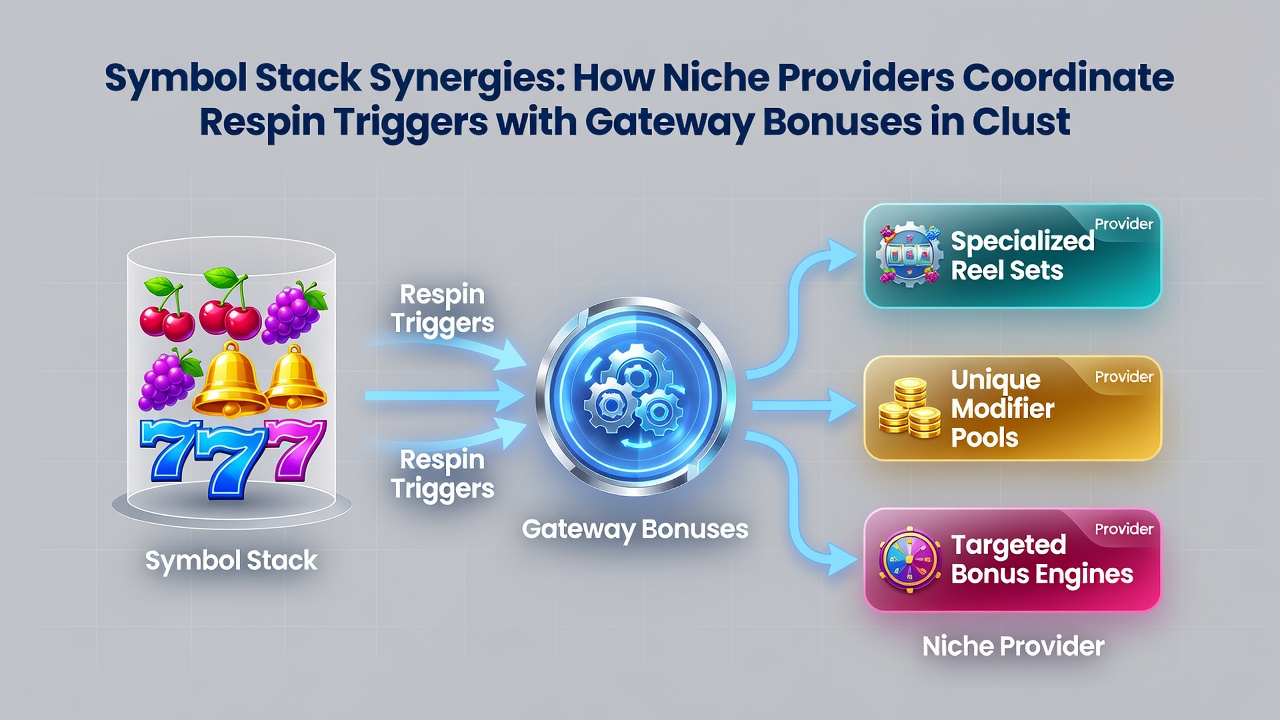
Niche providers frequently partner with payment processors to embed conditional checks that read transaction metadata at the moment a cluster forms, and these checks determine whether a respin sequence receives an added multiplier drawn from the gateway's promotional pool. Figures from Canadian regulatory filings reveal that such partnerships increased the frequency of bonus activations by measurable margins in titles released during the first half of 2026. Developers achieve this coordination by passing encrypted signals between the game client and the payment gateway so the respin counter updates in real time without exposing the underlying bonus logic to the player interface.
One documented case involved a mid-sized studio that embedded a gateway flag inside the respin trigger condition, and the result was a chain of up to five consecutive respins whenever a player funded the session through a qualifying method. Data collected across several European operators demonstrated that these chains contributed to higher average bet volumes per session while maintaining the same overall volatility profile listed in the paytable.
Technical Implementation Across Mobile Releases
Implementation begins with the definition of stack thresholds inside the game engine, after which the code evaluates cluster size against a set of gateway-supplied rules that may change monthly based on promotional calendars. Because mobile devices handle rendering and network calls simultaneously, developers must optimize the timing of these evaluations to avoid frame drops during extended respin sequences. Studies published by the University of Nevada, Reno gaming laboratory indicate that optimized timing reduces perceived latency by several hundred milliseconds, an interval that players notice during rapid cluster collapses.
August 2026 saw several niche releases incorporate updated gateway protocols that support dynamic multiplier tables, allowing operators to adjust bonus values without pushing new game builds to app stores. Those updates rely on secure token exchanges that the game client validates before applying the multiplier to the current cluster win, and regulatory bodies in multiple jurisdictions require audit logs of every token validation event.
Market Impact and Player Retention Patterns
Retention metrics collected by operators using these coordinated systems show distinct patterns when compared with titles that treat respins and gateway bonuses as separate events. Sessions featuring synchronized triggers recorded longer average play times and higher repeat visit rates, according to aggregated figures shared by the European Gaming and Betting Association. The differences appear most pronounced in high-volatility cluster pay titles where a single extended respin chain can shift the outcome distribution significantly.
Smaller studios continue to experiment with variable stack heights that respond to the funding gateway, and early results suggest that such variability keeps the core loop fresh without requiring entirely new symbol sets for each seasonal update. Observers tracking release schedules note that the approach reduces development cycles while still delivering the layered bonus experiences larger studios achieve through more resource-intensive custom features.
Conclusion
Symbol stack coordination with respin triggers and gateway bonuses represents a maturing area of mobile slot design where niche providers supply targeted integrations rather than complete game builds. Evidence from regulatory filings, laboratory studies, and operator data indicates that these mechanics produce measurable shifts in session behavior when implemented consistently across cluster pay formats. Continued refinement of the communication layer between game engines and payment systems will likely determine how widely these synergies appear in future releases.