Sync Vaults to Reels: How Niche Payment Integrations Unlock Layered Multiplier Chains in Independent Studio Cluster Games
Written by Rafael Krause · Aug 5, 2026
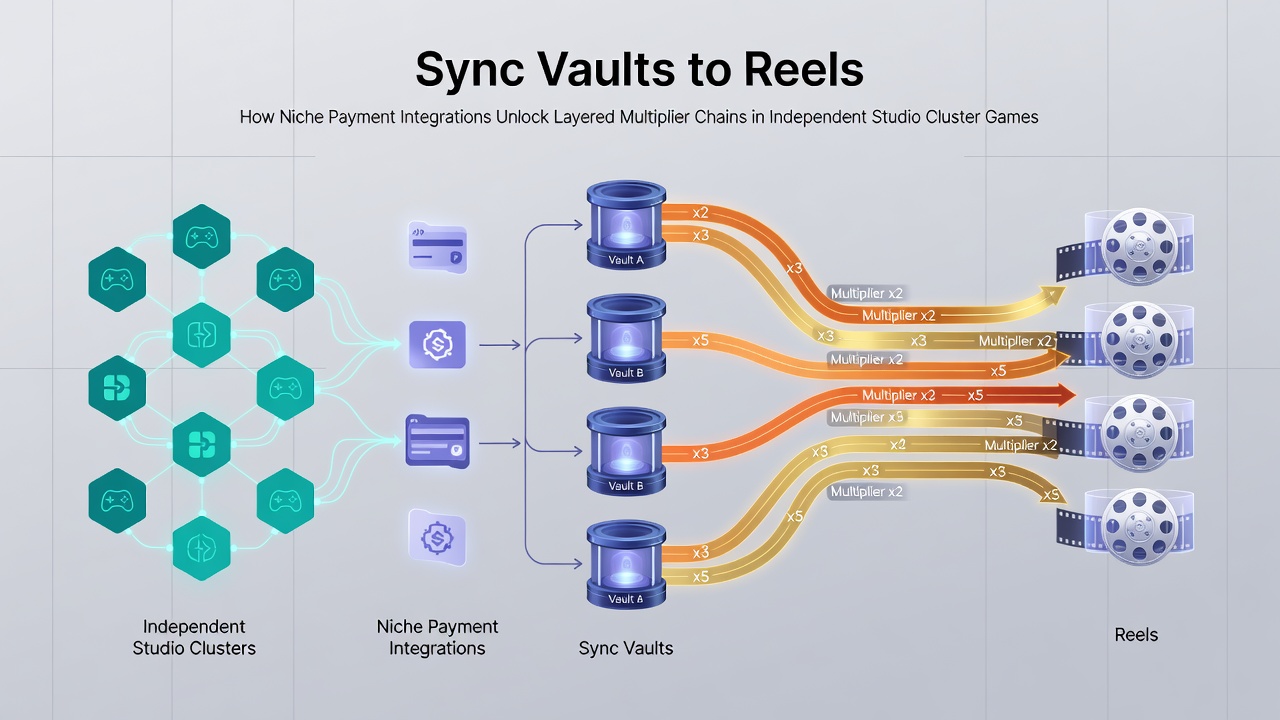
Sync Vaults to Reels: How Niche Payment Integrations Unlock Layered Multiplier Chains in Independent Studio Cluster Games
Independent Studios Reshape Cluster Pay Mechanics
Independent game studios have expanded their focus on cluster pay formats where symbols form groups across reels rather than traditional paylines, and these developers often collaborate with specialized payment providers to embed financial triggers directly into gameplay loops. Data from industry reports shows that studios wth under 50 employees now account for a growing share of new cluster titles released each quarter, and their smaller teams allow quicker testing of payment-linked features that connect wallet balances to in-game multipliers.
Payment integrations function through APIs that sync user deposits or balances with reel states, so when a player initiates a transaction mid-session the system can activate layered bonus sequences without interrupting the spin flow. Researchers at academic institutions have documented cases where these connections create multiplier chains, with each layer building on the previous one based on transaction size or frequency patterns observed in session data.
Mechanics Behind Layered Multiplier Chains
Cluster games from smaller studios typically feature symbol groups that expand or cascade after initial matches, and niche payment gateways add variables by tying deposit actions to chain extensions. According to figures from the New Jersey Division of Gaming Enforcement, integrated systems have appeared in select markets where real-time balance updates influence reel modifiers such as extra wilds or progressive multipliers that stack across consecutive clusters.
One process involves vault synchronization where encrypted payment tokens pass to the game engine during active play, triggering events like symbol upgrades or reel expansions. Studies from university gaming labs indicate that these triggers often produce chains of three to five multiplier layers when transaction data aligns with volatility settings predefined by the studio, while separate clusters on the grid accumulate independent values that combine at the end of a sequence.
Payment Gateways and Studio Collaborations
Smaller payment processors specializing in gaming have partnered with independent developers to offer custom endpoints that map transaction metadata onto reel outcomes. Observers note that these arrangements differ from standard processor relationships because the gateways provide game-specific parameters rather than generic processing, enabling features where a deposit amount directly scales the multiplier applied to subsequent cluster wins.
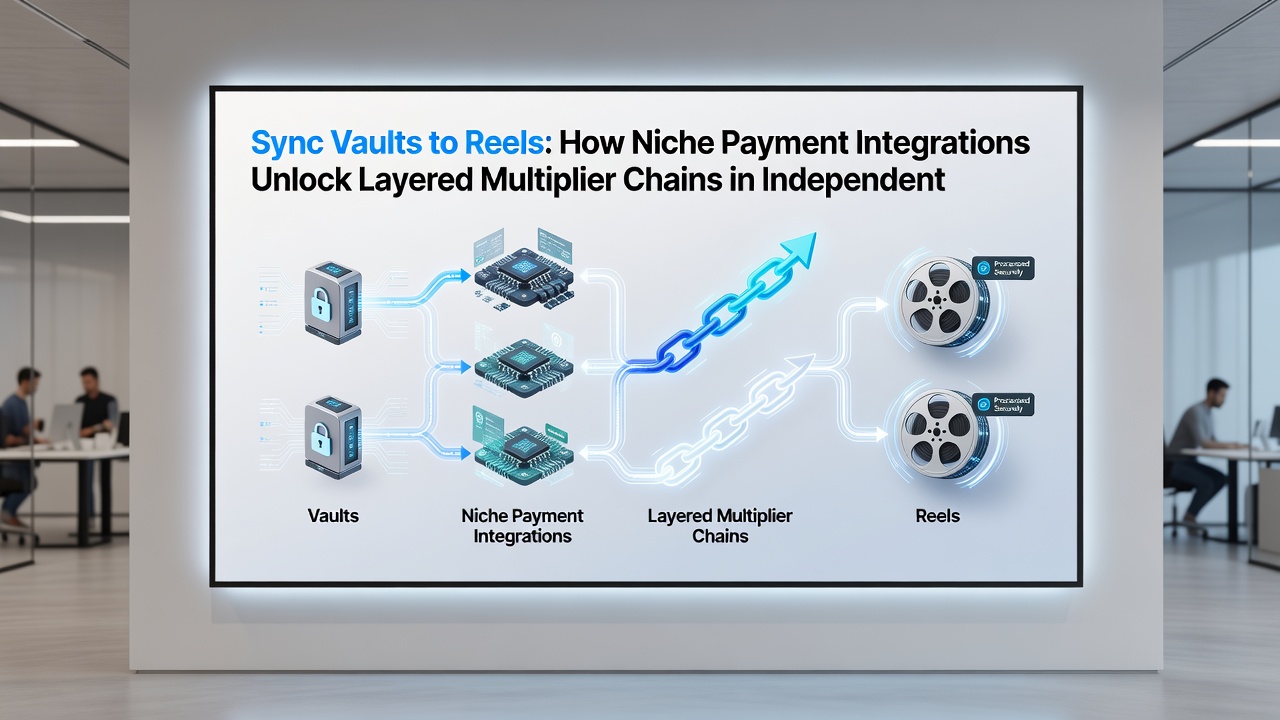
Examples include studios embedding conditional logic that checks payment vault status before each cascade, so sustained funding sessions can unlock higher layers without manual bonus buys. Reports compiled by Gaming Laboratories International highlight how such integrations undergo certification to ensure random outcomes remain independent of payment timing, yet the added layers still create extended play sequences that increase total spin counts per session.
Developments Expected Around August 2026
Industry tracking data points to expanded testing of cross-platform vault protocols scheduled for rollout in August 2026, when several independent studios plan to release cluster titles with deeper payment hooks that respond to regional banking standards. These updates aim to standardize token exchanges between wallets and reel engines across different jurisdictions while maintaining separation between financial processing and outcome generation.
Analyses from research papers published by Canadian academic centers show that early prototypes already demonstrate multiplier chains extending up to seven layers when payment frequency matches cluster density thresholds, and developers expect broader adoption once certification bodies finalize evaluation frameworks for these hybrid systems.
Technical Implementation Across Platforms
Engineers at independent studios integrate payment modules through modular code that listens for vault events without altering core RNG functions, allowing cluster formations to carry forward multiplier states from prior transactions. Data indicates mobile versions handle these syncs via background processes that minimize latency, so players experience seamless transitions between deposit confirmations and reel updates.
Case examples from studios using these methods reveal patterns where repeated small transactions build base multipliers while larger single deposits activate top-layer bonuses that apply to entire grid clears. Those who have examined certification logs note that all such features pass fairness audits because payment actions serve only as optional triggers rather than deterministic controls over results.
Conclusion
Payment integrations continue to evolve alongside cluster mechanics in titles from independent studios, with synchronization methods creating structured multiplier chains that respond to transaction events. Figures from regulatory sources outside the UK and industry testing organizations demonstrate measurable impacts on session length and feature frequency, while technical standards scheduled for August 2026 are expected to further refine how these systems operate across platforms. The combination of vault protocols and reel logic provides a framework that studios can adapt without compromising certified randomness in cluster pay environments.