Synchronization Patterns in Loyalty Systems and Multiplier Mechanics Across Emerging Progressive Slot Studios
Written by Rafael Krause · Jul 11, 2026
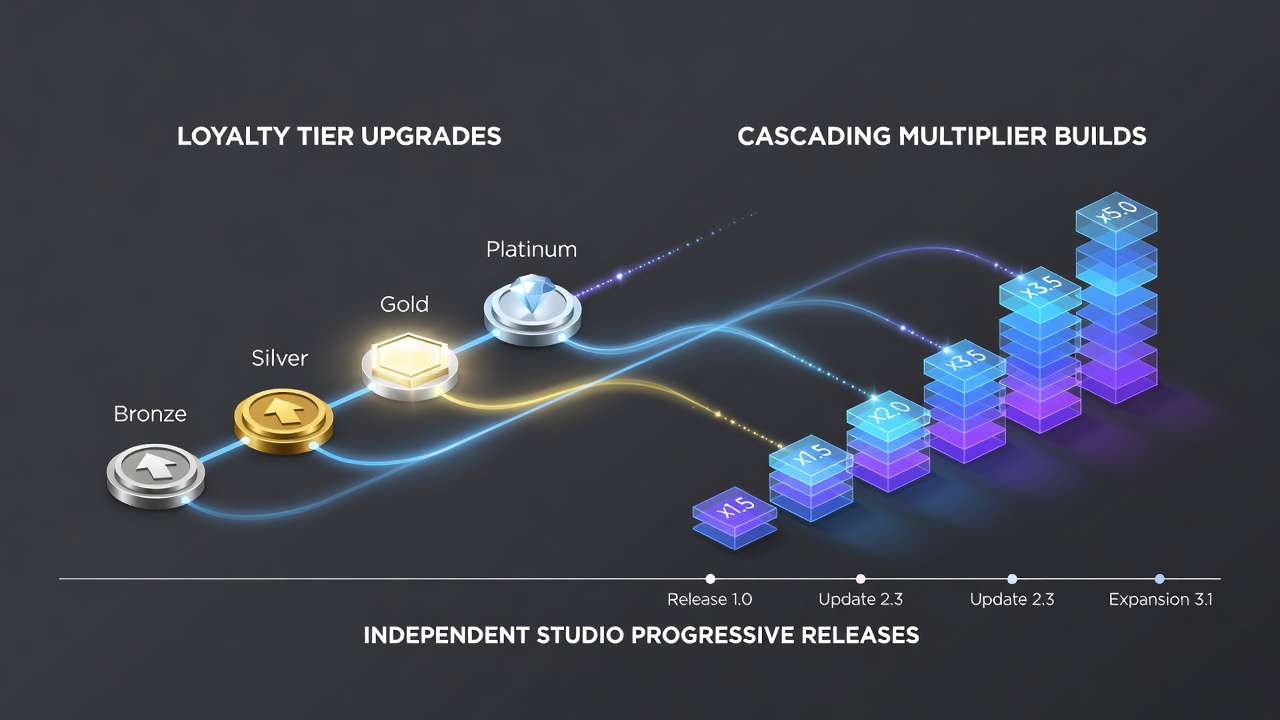
Synchronization Patterns in Loyalty Systems and Multiplier Mechanics Across Emerging Progressive Slot Studios
Independent studios developing progressive slot titles have started aligning player loyalty frameworks with in-game multiplier systems that build through cascading sequences. These alignments create structured pathways where tier upgrades trigger enhanced multiplier chains during progressive rounds. Data from multiple studio releases shows consistent patterns where higher loyalty levels correspond directly to extended cascade durations and amplified multiplier values.
Core Mechanics of Tier-Multiplier Alignment
Progressive releases from smaller development teams often incorporate loyalty data into real-time game adjustments. When a player advances from base tier to mid-level status, the system activates additional cascade layers that feed into the progressive jackpot pool. Research from industry tracking services indicates that these adjustments occur at fixed thresholds, with each tier unlocking specific multiplier increments that persist across multiple spins.
Independent studios track these interactions through backend analytics that monitor both loyalty progression and cascade frequency. The synchronization appears in how upgrade events reset or extend multiplier sequences, allowing progressive features to scale according to player status without manual intervention. Observers note that this approach reduces fragmentation between account management systems and gameplay engines.
Implementation Across Studio Networks
Several independent developers have integrated loyalty APIs with progressive jackpot controllers. This connection enables tier status to influence multiplier build rates during cascade events, where symbols chain together to increase values. According to reports compiled by the Nevada Gaming Control Board, such integrations appear in select titles launched over the past eighteen months, with measurable impacts on session length and jackpot contribution rates.
Take one release cycle where a studio updated its loyalty engine to feed directly into cascade logic. Players reaching the second tier experienced a 1.5x extension in multiplier duration per cascade, while third-tier accounts saw progressive pools accumulate at accelerated rates during those same sequences. These changes occurred automatically once the tier threshold was met, demonstrating a direct synchronization method.
Data Patterns in Recent Releases
Figures from multiple independent titles reveal that synchronization points cluster around specific loyalty milestones. The first upgrade often activates basic cascade extensions, whereas later tiers introduce branching multipliers that split and recombine across progressive rounds. This structure appears consistently across studios using shared backend frameworks, suggesting a common technical approach rather than isolated innovations.
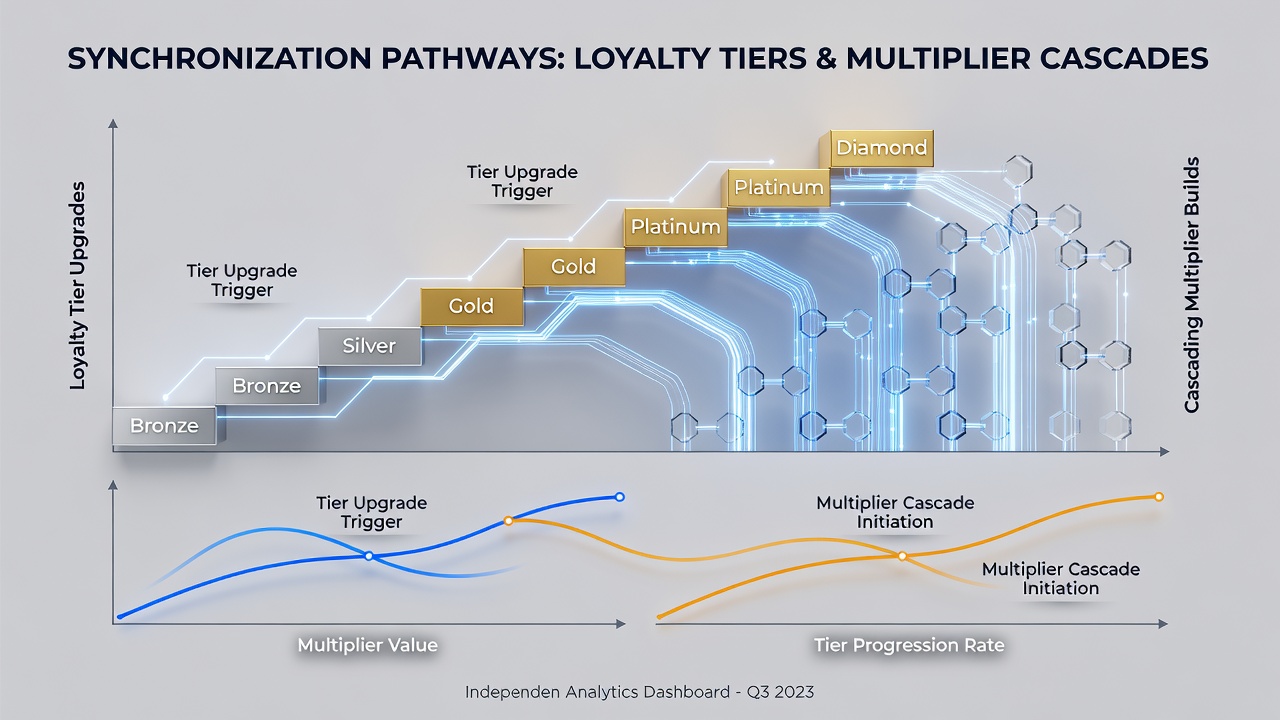
What's notable is how these systems handle edge cases, such as tier downgrades or promotional resets. In documented instances, the multiplier chain pauses rather than collapses, preserving accumulated values until the next qualifying spin. This design choice maintains continuity for players moving between tiers while still tying progression to loyalty status.
Technical Synchronization Methods
Developers employ event-driven triggers to connect loyalty databases with game servers. When a tier upgrade registers, an API call adjusts the cascade parameters before the next round begins. This method ensures that multiplier builds reflect current loyalty standing without requiring separate player actions. Independent studios using cloud-based platforms have reported reduced latency in these updates compared to older monolithic architectures.
Studies from academic sources such as the University of Nevada, Reno gaming research division have examined similar alignment techniques in broader casino systems. Their findings highlight how real-time data exchange between loyalty modules and gameplay features can stabilize progressive pool growth across varying player volumes.
Future Considerations for July 2026 and Beyond
Industry timelines point toward expanded regulatory reviews in several jurisdictions by July 2026, which may affect how loyalty and progressive features interact. Studios preparing for these shifts have begun documenting their synchronization logic in greater detail, anticipating requirements for transparency in multiplier calculations tied to tier status. This preparation focuses on audit trails that record every loyalty-triggered adjustment during cascade sequences.
Conclusion
The synchronization between loyalty tier upgrades and cascading multiplier builds represents a technical evolution in independent studio progressive releases. Patterns observed across multiple titles demonstrate consistent mapping of tier thresholds to multiplier extensions and cascade durations. As these systems mature, the underlying data connections continue to shape how progressive features scale with player engagement metrics.