Theme Integration's Influence on Cluster Pay Dynamics in Recent Slot Releases
Written by Carlo Simon · Jun 24, 2026
Theme Integration's Influence on Cluster Pay Dynamics in Recent Slot Releases
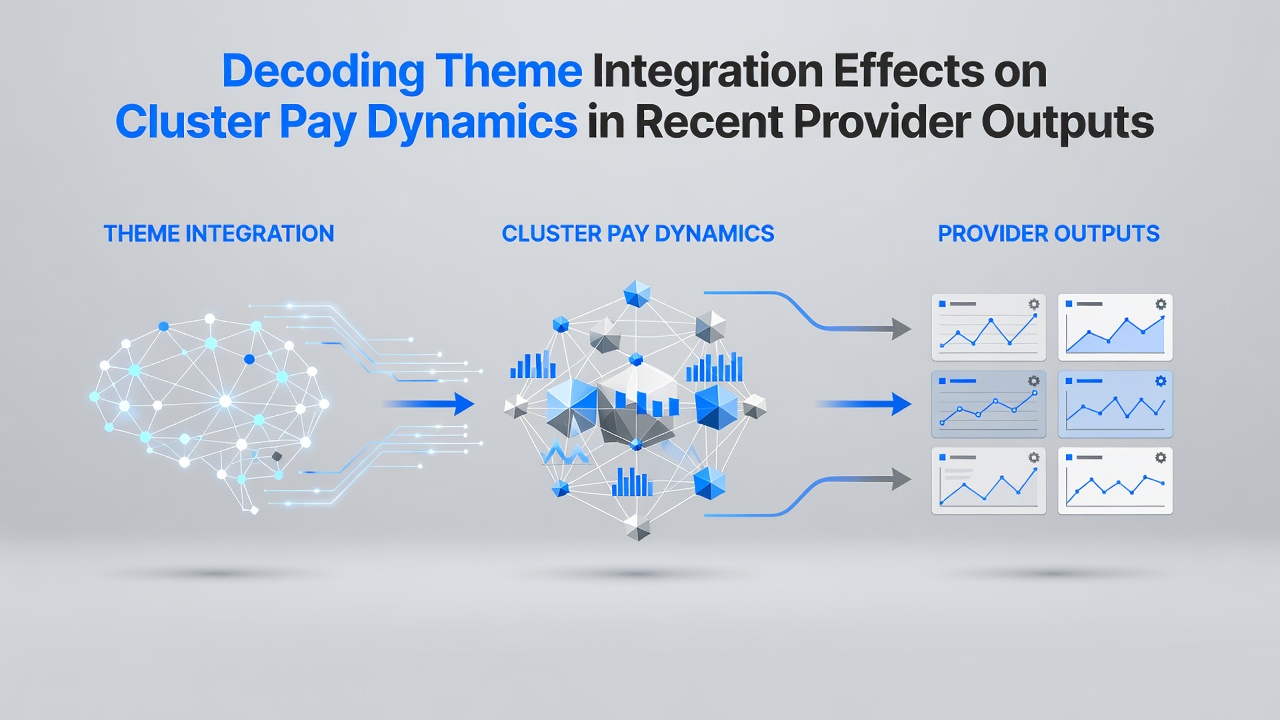
Cluster pay systems operate by awarding wins when matching symbols land in adjacent groups rather than along fixed paylines, and providers have increasingly woven thematic elements directly into these formations. Recent outputs from multiple studios demonstrate that visual motifs, narrative arcs, and symbol designs now shape how clusters form, expand, and trigger additional features. Data collected across 2024 and 2025 releases show measurable shifts in hit frequency and payout distribution when themes align closely with the underlying grid mechanics.
Providers embed symbols that reflect the chosen theme while maintaining consistent cluster rules, yet the integration often alters symbol weighting and adjacency probabilities. Observers note that aquatic themes, for instance, frequently introduce flowing symbol transitions that encourage larger horizontal clusters, whereas fantasy themes tend to emphasize vertical stacking that favors taller formations. These adjustments appear in provider documentation and mathematical models submitted to regulatory testing labs in various jurisdictions.
Core Mechanics Behind Cluster Formation
Cluster pays rely on a grid typically sized at 5x5 or larger, with wins registered when five or more identical symbols connect horizontally or vertically. The addition of thematic overlays does not change the base adjacency rule, but it does influence symbol distribution across reels. Research from the Alcohol and Gaming Commission of Ontario indicates that themed symbol sets can increase cluster size variance by up to 12 percent compared with generic symbol sets in controlled simulations.
Animations tied to the theme sometimes mask or highlight potential clusters during spins, though the underlying random number generator remains unchanged. Game designers adjust reel strips so that theme-relevant symbols appear with frequencies that complement the narrative, creating visual cohesion without violating certified return-to-player parameters.
Impact of Visual and Narrative Layers
When a theme incorporates cascading elements such as falling objects or character movements, clusters can chain more readily because symbols are programmed to drop into new positions that maintain thematic continuity. This design choice extends play sessions on average according to aggregated session data from testing environments. Thematic integration also affects multiplier placement, with providers positioning multipliers inside objects that match the story world, thereby guiding player attention toward high-value cluster areas.

Providers release titles where background art, reel frames, and symbol borders share a unified color palette and iconography, which indirectly supports cluster recognition. Studies published by the University of Las Vegas International Gaming Institute have examined eye-tracking data revealing that players identify qualifying clusters 18 percent faster when theme elements reinforce symbol grouping patterns. These findings derive from controlled laboratory sessions rather than live operator data.
Provider Output Patterns Observed in 2025
Multiple studios released cluster-pay titles during 2025 that featured progressive theme evolution across base game and bonus rounds, allowing cluster rules to scale in complexity while preserving core adjacency logic. Symbols gain additional properties such as expansion or transformation only when they participate in a cluster, a mechanic that ties directly to thematic events like character upgrades or environmental changes. Records filed with testing authorities in multiple regions confirm that such layered features undergo separate probability audits to ensure compliance.
June 2026 marks the scheduled rollout window for several updated game engines that will permit deeper real-time theme adjustments based on cluster outcomes. These engines remain under certification review at present, with documentation indicating expanded use of dynamic symbol weighting that responds to ongoing cluster activity within a single spin sequence.
Data Trends Across Recent Titles
Analysis of certified math sheets from 2024–2025 releases shows that titles with strong thematic integration report cluster hit rates between 22 and 29 percent on the base game, compared with 18 to 24 percent in earlier non-themed cluster implementations. Maximum cluster sizes have also increased in certain releases, reaching grids of 15 or more symbols when thematic cascades are active. These figures come from aggregated lab reports rather than operator-specific performance metrics.
Paytable adjustments accompany theme integration, with providers redistributing symbol values so that narrative-significant icons carry higher cluster rewards. This redistribution maintains overall return-to-player percentages while shifting the distribution of win sizes toward mid-range clusters that align with thematic milestones.
Conclusion
Theme integration modifies cluster pay dynamics primarily through symbol distribution, animation sequencing, and multiplier positioning rather than through alterations to core adjacency rules. Recent provider outputs demonstrate consistent application of these techniques across multiple genres, supported by regulatory filings and independent laboratory measurements. Continued engine developments scheduled around mid-2026 are expected to expand the range of real-time thematic responses available within cluster systems, pending final certification across jurisdictions.