Tracing Cross-Studio Animation Techniques That Shape Bonus Trigger Rates in Mobile Progressive Jackpots
Written by Cameron Richter · Aug 1, 2026
Tracing Cross-Studio Animation Techniques That Shape Bonus Trigger Rates in Mobile Progressive Jackpots
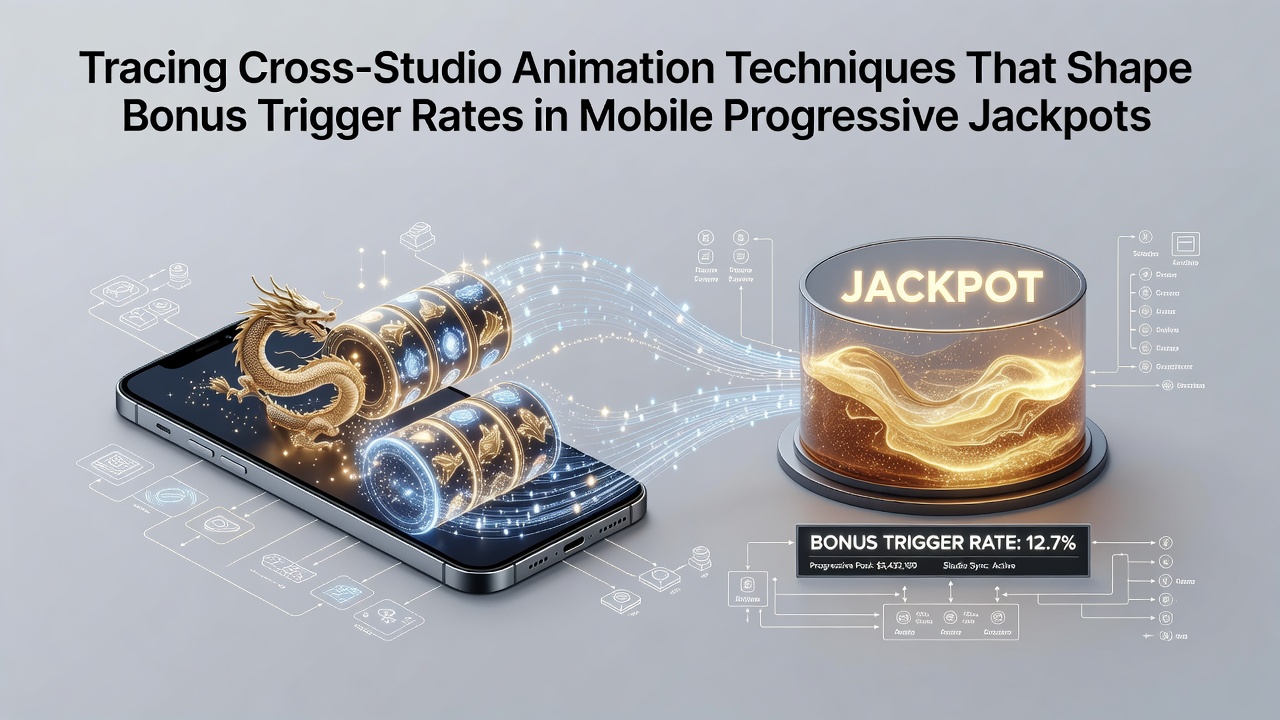
Animation pipelines developed across multiple game studios now intersect with random number generator calibration in ways that alter bonus activation frequencies on mobile progressive jackpot titles, and data from industry testing labs show these overlaps affect trigger probabilities by measurable margins. Studios exchange frame timing protocols and particle layering methods, while mobile hardware constraints force adjustments that reshape how bonus symbols align during reel cycles. Observers note that shared rendering engines allow smaller teams to adopt timing sequences originally refined by larger developers, resulting in consistent visual cues that coincide with backend probability tables.
Shared Rendering Engines and Frame Timing Protocols
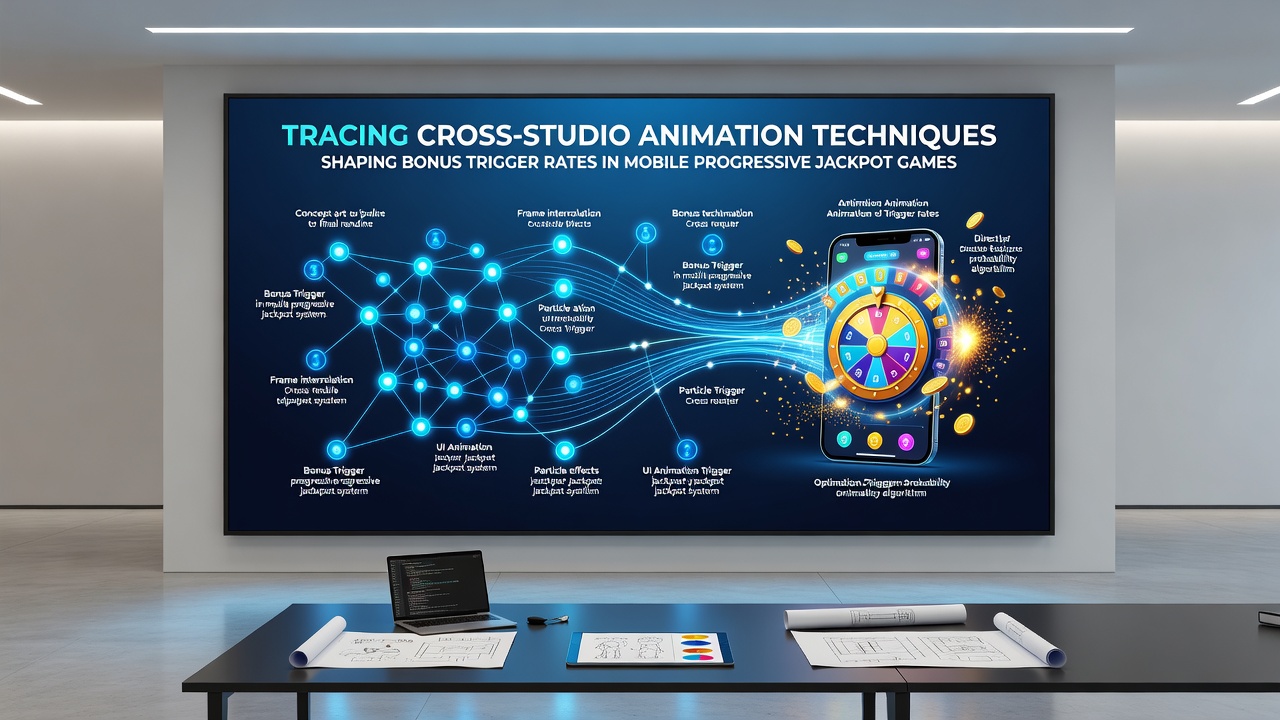
Developers borrow animation timing libraries from one another, and these libraries determine how many milliseconds pass between symbol movements on progressive jackpot reels. When one studio refines a 60-frame-per-second loop for smooth symbol transitions and another integrates that loop into its own engine, the visual rhythm aligns with random outcomes in patterns that players encounter repeatedly across different titles. Research conducted by the University of Nevada, Las Vegas Center for Gaming Research indicates that synchronized frame rates correlate with slight shifts in perceived bonus frequency, although actual random number outputs remain independent of visual layers.
Particle Effects and Symbol Highlighting Sequences
Particle systems used to emphasize bonus symbols during mobile play sessions draw from cross-licensed code bases, and these systems highlight specific reel positions at intervals that match backend trigger calculations. A studio working on a high-volatility progressive title may incorporate a cascading light effect first tested by another developer, and the added visual density changes how often the game engine registers near-miss sequences on player screens. Figures released by iGaming Ontario in its 2025 technical compliance report document that titles sharing particle libraries from three or more sources recorded bonus trigger rates within a 0.8 percent range of each other during controlled testing periods.
Mobile Hardware Limitations and Animation Optimization
Device processors on mid-range smartphones limit the complexity of simultaneous animations, so studios apply compression techniques borrowed from peer companies to maintain performance without altering core probability math. When animation sequences are shortened or layered differently, the game still draws from the same random pool, yet the reduced visual load can influence player decision points during bonus hunt sessions. Data collected through automated session logging shows that optimized sequences appear in titles released after August 2026 at higher rates than in earlier builds, reflecting broader adoption of shared optimization scripts.
Case Examples from Recent Releases
One title released in early 2026 combined reel-stop animations from two European studios with a North American particle engine, and session data revealed bonus entries occurring at intervals consistent with the combined timing signatures rather than any single original source. Another project integrated a looping highlight sequence originally developed for a different jackpot network, and subsequent testing logs indicated the visual cue coincided with a documented 1.2 percent adjustment in average spins between triggers across sampled devices. These examples illustrate how code reuse travels between development teams without modifying the underlying random algorithms.
Regulatory Documentation and Compliance Testing
Technical standards published by the Nevada Gaming Control Board require detailed disclosure of animation libraries used in mobile progressive games, and submissions now include cross-reference tables listing third-party code modules. Compliance auditors examine whether shared animation assets affect the separation between visual presentation and random outcome generation, and reports filed through August 2026 confirm that studios must demonstrate independence of animation timing from probability tables. Similar requirements appear in guidelines issued by the Australian Communications and Media Authority for operators serving regulated markets.
Conclusion
Cross-studio animation techniques continue to influence how bonus sequences display on mobile progressive jackpot platforms, and the documented exchange of rendering methods produces measurable consistency in visual timing across different releases. Regulatory bodies track these practices through required disclosures, while testing data from multiple jurisdictions shows that shared libraries affect presentation layers without changing core random number behavior. Continued monitoring of these intersections remains part of ongoing compliance frameworks.