Tracing Payment Routes Behind Multiplier Sequences in Standalone Mobile Jackpot Titles
Written by Sam Hoffmann · Aug 26, 2026
Tracing Payment Routes Behind Multiplier Sequences in Standalone Mobile Jackpot Titles
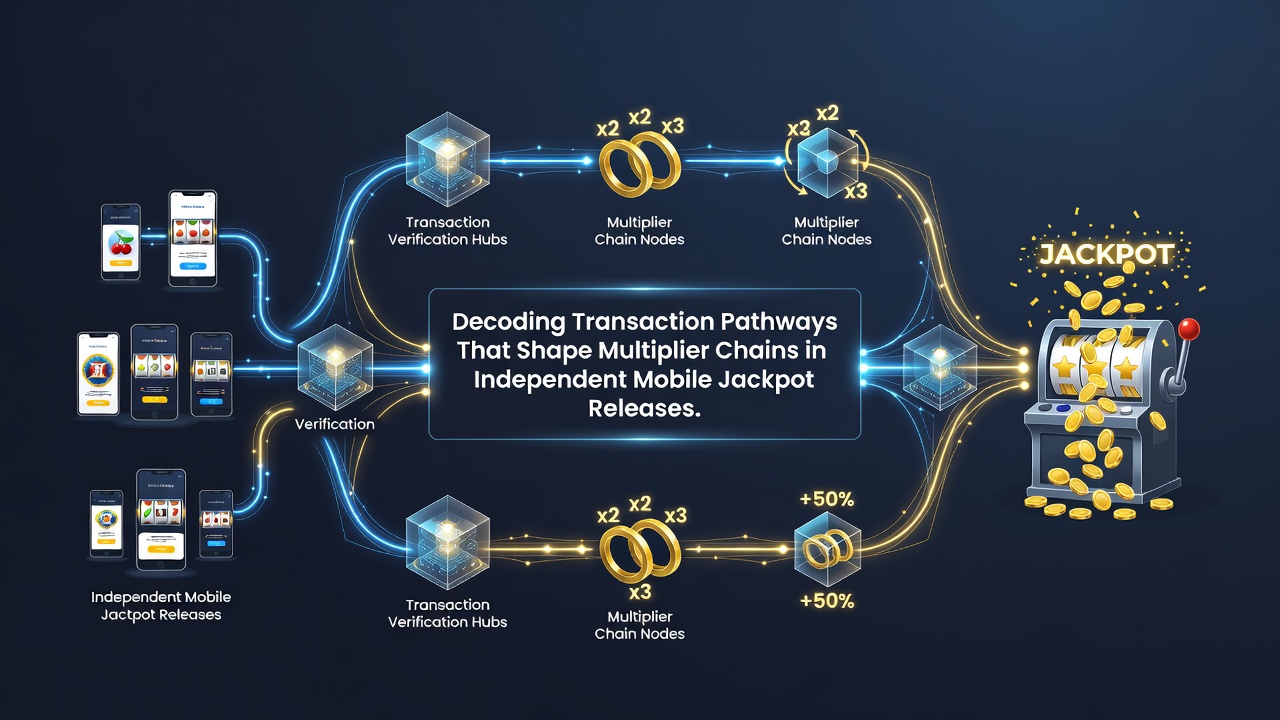
Payment networks in independent mobile jackpot releases follow specific routes that determine how deposits convert into multiplier chains, and observers note these pathways often start with instant verification gateways that link user accounts directly to game servers. Data from industry reports shows that once a transaction clears, the system tags the amount and routes it through internal ledgers before activating bonus multipliers in progressive pools.
Core Mechanics of Transaction Initiation
Independent studios route deposits through multiple processors to reach the jackpot engine, and researchers at gaming analytics firms have mapped how each step adds a layer that can trigger chain reactions. A single deposit might pass through a wallet service, then a currency converter, and finally into the game’s multiplier accumulator, where the amount scales the potential jackpot tier. Studies indicate that timing plays a role because transactions completed during peak hours often encounter different routing priorities that affect multiplier stacking speed.
Those who analyze server logs find that certain gateways insert metadata tags that the slot software reads as signals for bonus activation, and this process builds the first link in a multiplier chain. August 2026 brought updates to cross-border payment standards in several markets, which altered how these tags transmit and in turn changed the frequency of chain formations in mobile titles released by smaller developers.
Pathway Layers That Scale Multipliers
Multiple layers exist between the initial deposit and the final multiplier display, and each layer contains decision points that either extend or cap the chain. Transaction logs reveal that when a payment passes through a loyalty-linked processor, the system adds an extra multiplier token that carries forward into subsequent spins. Independent releases frequently use this approach because it allows smaller studios to compete with larger providers without altering core game code.
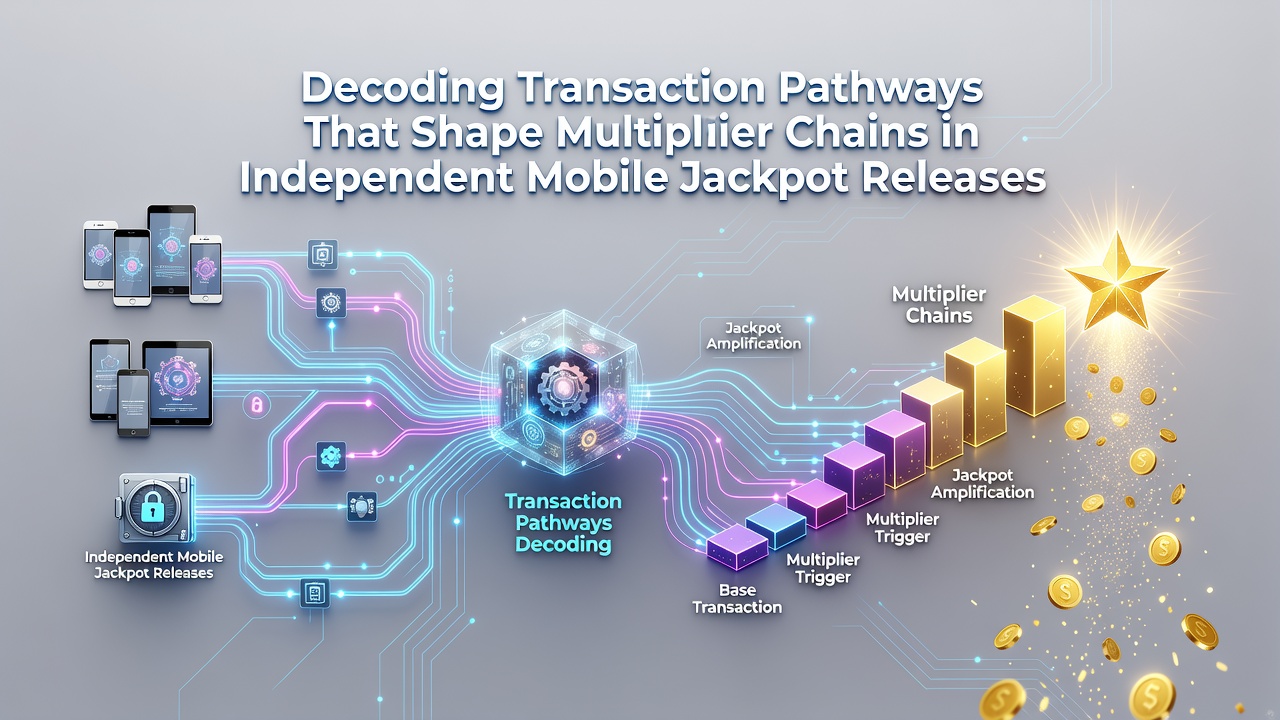
Figures from transaction monitoring platforms show that average chain length increases when deposits route through two or more verified gateways rather than a single direct line. The additional hops create opportunities for the software to apply sequential multipliers, each one building on the previous value until the jackpot pool reaches its next threshold.
Integration With Game Engines and Bonus Triggers
Game engines read transaction metadata at the moment funds arrive, and this reading determines whether a multiplier chain begins or remains dormant. Observers note that independent developers often embed custom listeners that detect specific payment processor signatures, then translate those signatures into reel modifiers or progressive boosts. One documented case involved a studio that partnered with a regional payment firm to insert unique identifiers, which the slot used to double the base multiplier on every fifth qualifying deposit.
Research indicates that these integrations remain invisible to players yet directly shape the payout distribution over thousands of sessions. When the pathway includes a time-stamped verification step, the engine can apply volatility adjustments that favor longer multiplier sequences during high-activity periods.
Regional Variations in Routing Standards
Different jurisdictions impose distinct requirements on how transactions reach game servers, and these rules influence multiplier chain frequency. Data compiled by the Nevada Gaming Control Board reveals that titles operating under its oversight must log every hop in the payment route, which gives analysts clearer maps of how multipliers accumulate. In contrast, frameworks in other regions allow more flexible routing that sometimes accelerates chain formation.
Industry associations such as the International Association of Gaming Regulators have published guidelines that encourage transparent pathway documentation, and studios that follow these guidelines report more predictable multiplier behavior across mobile platforms.
Future Adjustments Expected in Payment Architecture
Developers continue to refine the connections between payment systems and jackpot engines, and upcoming changes in digital wallet protocols are expected to add new metadata fields that could extend chain lengths further. Analysts tracking these developments point to pilot programs where instant settlement rails reduced the number of intermediate steps while preserving the multiplier scaling effect.
Conclusion
Transaction pathways in independent mobile jackpot releases operate as layered networks that convert deposits into multiplier sequences through precise routing and metadata handling. Evidence from regulatory records and technical analyses shows that each gateway, verification step, and integration point contributes to the final chain length and frequency. As payment standards evolve, these routes will continue to determine how standalone titles build and distribute progressive rewards across global mobile audiences.